TL;DR

Get garden gear delivered free with Prime
- Fast, free delivery on millions of items
- Prime Video, Amazon Music and more included
- Member-only deals all year
Amateur Gardening has published five practical steps to prepare gardens for stormy, wet and windy weather: secure containers and structures, bring loose items indoors, inspect trees and manage excess rain. The advice may reduce risks, but it cannot prevent all storm damage; people should stay indoors once dangerous weather arrives.
Amateur Gardening has published five steps for preparing gardens for stormy, wet and windy weather, advising readers to secure containers and garden structures, bring loose items inside, check trees and reduce waterlogging. The guidance matters because wind and heavy rain can damage plants and property and turn garden objects into hazards, but it does not prevent every kind of storm damage.
The report recommends moving pots out of exposed positions and setting them on the ground, where they are less likely to fall. Grouping containers together can help keep them in place. Tender plants can be moved to a frost-free area if one is available. Hanging baskets should be taken down from their brackets and placed on the ground while strong winds pass.
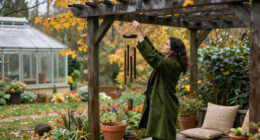
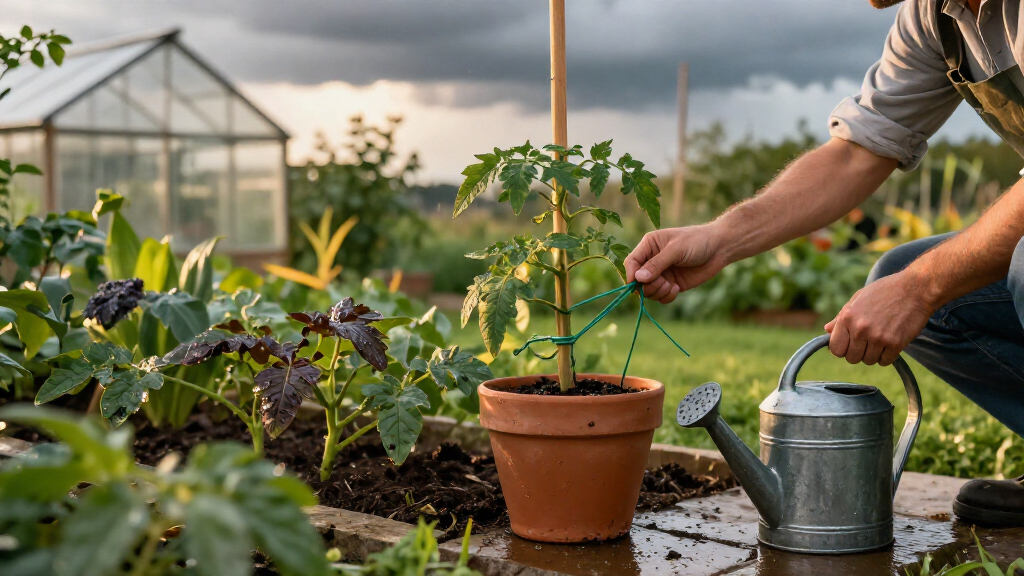
Gardeners are also advised to check that arches, trellises, stakes, sheds and greenhouses are firmly secured. Tall plants, including sunflowers, should be tied in. Trampolines, toys, tools, empty pots and outdoor furniture should be moved indoors or secured so they are less likely to blow away and cause damage.
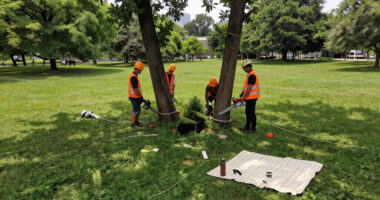
For heavy rain, the report says to clear blocked container drainage holes and avoid leaving pots standing in water or full saucers, which can contribute to plant rot. It suggests considering plants that tolerate wetter conditions, including hydrangeas, grasses, coneflowers and cranesbill geraniums, and using a water butt to collect rainwater. The fifth step is to have tall trees near homes or roads checked by a tree surgeon and remove weak branches before a storm, where appropriate.
Reducing Wind and Water Damage
These steps address hazards that can affect more than a plant collection. Blown furniture, trampolines and loose tools can damage nearby property or injure people, while fallen branches can block paths and roads. Waterlogged containers can harm plants, and intense rainfall can contribute to flooding.
The checklist focuses on practical preparation before severe weather arrives. It is not a guarantee against damage, and some tasks—particularly work on large trees—may require professional help. The report gives general gardening guidance rather than a forecast for a specific storm or a local risk assessment.
Products Worth Considering

Orbit B-hyve Smart Indoor/Outdoor 12-Zone Sprinkler Controller

Husqvarna Power Axe 350i 18-Inch Cordless Chainsaw Kit

Orbit B-hyve XR Smart Indoor/Outdoor Sprinkler Controller, 16 Zones
As an affiliate, we earn on qualifying purchases.
Preparing Before Autumn Storms
The Amateur Gardening report says the preceding summer had been hot and dry and describes the months ahead as likely to be windier and wetter as El Niño develops. It says gardens of many kinds may be exposed, including urban, balcony, school and container gardens, not only those on high ground or near the coast.
The source offers a seasonal checklist, not a weather warning with dates, locations or measured forecasts. Its advice is to prepare in advance, while conditions are safe, rather than trying to move heavy items or work among trees once a storm is underway.
““The garden can wait; your safety is paramount.””
— Amateur Gardening report
Storm Timing and Local Risks
The source does not identify specific storm dates, locations, wind speeds or rainfall totals, so readers cannot use it to judge local conditions. Its seasonal outlook is not a substitute for current weather alerts. The report also does not quantify how much damage the recommended steps may prevent, and no precaution can protect every garden from extreme weather.
It does not specify which tree conditions require pruning or when work would be unsafe. Decisions about large or potentially hazardous trees should be made with appropriate professional advice; readers should not attempt risky work during high winds.
Act Before Conditions Worsen
Gardeners can use the checklist to secure light and movable items, check containers and inspect garden structures while conditions are calm. For trees near buildings or roads, the report recommends arranging a check by a qualified tree surgeon ahead of severe weather rather than waiting until damage occurs.
Once storm conditions have started, follow local weather and safety guidance and stay indoors rather than trying to rearrange the garden. The report does not announce a follow-up or a particular storm forecast; the next step for readers is to monitor local forecasts and respond to conditions in their area.
Key Questions
What are the five recommended storm-preparation jobs?
Move and group pots; secure plant supports and tall plants; bring in or secure loose objects and garden structures; check vulnerable trees and weak branches; and prepare for heavy rain by clearing drainage and managing water.
Should hanging baskets stay on their brackets during strong winds?
The report advises taking hanging baskets down and placing them on the ground until the storm has passed, where they are less exposed to swinging and falling.
What should I do with pots before heavy rain?
Check that drainage holes are clear and avoid leaving containers standing in water or full saucers for long periods. Move exposed pots to a sheltered, ground-level position before strong winds arrive.
Is the report warning of a specific storm?
No. It describes a seasonal expectation of stormy, wet and windy weather but provides no dates, locations or storm measurements. Check current local forecasts and official alerts for specific conditions.
Is it safe to prepare the garden once a storm has started?
The report says to stay indoors once dangerous weather begins. Garden tasks can wait until conditions are safe; work on large trees should be left to an appropriate professional.
Source: amateurgardening.com