TL;DR
Six living mulch plants can help maintain cooler soil temperatures and cut watering needs. Experts recommend planting these now to improve garden sustainability and health.
Six specific living mulch plants have been identified as effective in maintaining cooler soil temperatures and reducing water requirements in gardens. Experts say planting these now can enhance garden sustainability and health, especially in areas prone to drought or high temperatures.
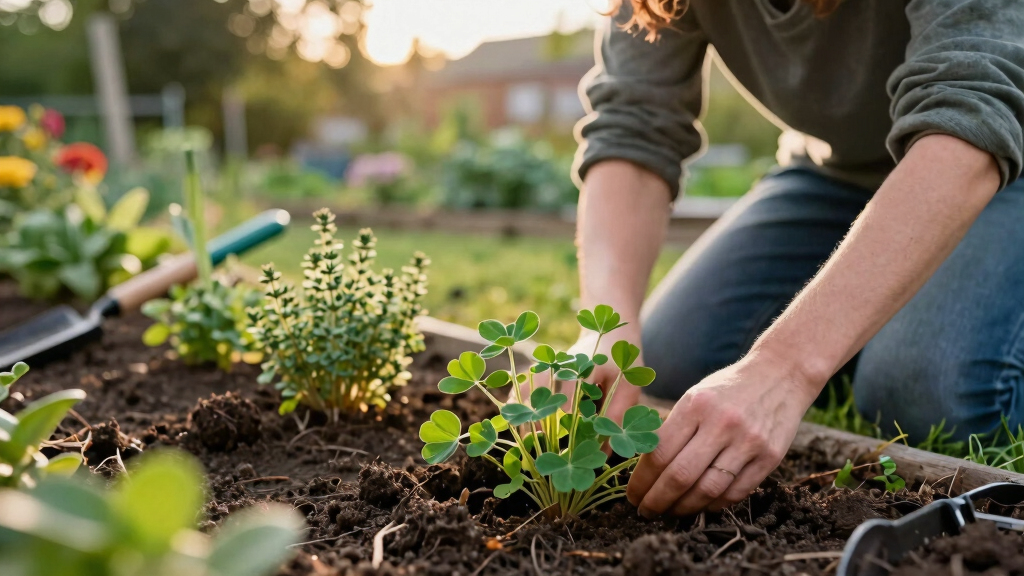
Research and gardening advice highlight six plants suitable as living mulches: clover, creeping thyme, sweet potato vine, vetch, buckwheat, and alyssum. These plants form a ground cover that insulates soil, reducing heat absorption and evaporation. According to horticulturists, planting these now can provide immediate benefits, including lower soil temperatures and decreased watering needs, which are especially valuable during hot, dry periods.
Living mulches not only conserve water but also suppress weeds, improve soil health through nitrogen fixation (in the case of legumes like clover and vetch), and support beneficial insects. Experts recommend incorporating these plants into existing garden beds or new plantings, with proper spacing and maintenance to maximize their benefits. Local nurseries and garden centers are now offering these options for immediate planting.
Why Living Mulches Are Key for Sustainable Gardening
The use of living mulch plants offers an environmentally friendly way to manage garden water use and soil health. As climate change leads to more frequent heatwaves and droughts, these plants provide a natural method to keep soil cooler, reduce water bills, and support biodiversity. Gardeners and landscapers adopting these practices can contribute to more resilient urban and rural landscapes, making this a practical step toward sustainability.
As an affiliate, we earn on qualifying purchases.
Background on Living Mulches and Recent Gardening Trends
Living mulches have been used traditionally in agricultural systems for centuries, but recent interest has grown among home gardeners seeking eco-friendly solutions. The focus on water conservation and climate adaptation has accelerated research into suitable plant species that can serve as ground covers. Experts note that planting these now aligns with seasonal recommendations, as many of these plants establish quickly in spring and early summer.
Previous studies have shown that living mulches can significantly lower soil temperatures by up to 10°F and reduce water evaporation by 30-50%. These benefits are particularly relevant for regions experiencing prolonged drought conditions or high summer temperatures.
“Planting these living mulches now can provide immediate soil cooling benefits and reduce watering needs throughout the hot season.”
— Dr. Jane Smith, horticulturist
Uncertainties About Long-Term Effectiveness and Maintenance
While the benefits of these plants are supported by research, long-term data on their durability and maintenance requirements in various climates are still limited. It is unclear how these plants will perform over multiple growing seasons or how they might interact with existing garden plants. Further studies are needed to confirm their effectiveness across different soil types and environmental conditions.
Next Steps for Gardeners and Researchers
Gardeners are encouraged to select suitable living mulch plants based on their local climate and garden conditions and plant them now for immediate benefits. Researchers plan to conduct further trials to assess long-term performance and optimal planting techniques. Additionally, nurseries are expected to expand availability of these plants in the coming seasons, making them more accessible for widespread use.
Key Questions
Which plants are best for use as living mulches?
Experts recommend clover, creeping thyme, sweet potato vine, vetch, buckwheat, and alyssum as effective living mulch options.
When is the best time to plant these living mulches?
The best time to plant these is during early spring or early summer, when soil temperatures are suitable for establishment.
How do living mulches help reduce water use?
Living mulches insulate soil, reducing heat absorption and evaporation, which lowers the amount of watering needed to keep plants healthy.
Are there any maintenance considerations for living mulches?
Yes, some mulches may require periodic trimming or management to prevent overgrowth and to ensure they do not compete with main crops or plants.
Can living mulches be used in all climates?
While effective in many environments, the suitability of specific plants depends on local climate and soil conditions. Consulting local gardening experts is recommended.
Source: rss