
TL;DR

Get garden gear delivered free with Prime
- Fast, free delivery on millions of items
- Prime Video, Amazon Music and more included
- Member-only deals all year
This article identifies six cover crops suitable for planting after vegetable harvests. These crops improve soil fertility, suppress weeds, and support sustainable gardening practices. The piece provides guidance on selection and benefits.
Gardening experts recommend planting specific cover crops after vegetable harvests to boost soil fertility and structure. These crops provide natural soil enrichment, reduce weeds, and support sustainable gardening practices, making them valuable for gardeners preparing for next season.
According to horticultural sources, six cover crops stand out for their benefits when planted after vegetable harvesting: clover, vetch, rye, buckwheat, oats, and hairy vetch. These crops are known for fixing nitrogen, suppressing weeds, and improving soil organic matter. Gardeners are advised to select crops based on their climate, soil type, and specific garden needs.
For example, clover and vetch are legumes that fix atmospheric nitrogen into the soil, reducing the need for synthetic fertilizers. Rye and oats are grasses that help prevent soil erosion and add organic material when turned under. Buckwheat and hairy vetch are quick-growing options that can smother weeds and enrich soil quickly. Experts suggest planting these cover crops in late summer or early fall, depending on local planting schedules.
Why Cover Crops Matter for Sustainable Gardening
Planting cover crops after vegetable harvests is a proven method to improve soil health, which directly benefits future crops. These crops can reduce dependency on chemical fertilizers, improve soil structure, and suppress weeds naturally. For gardeners, adopting cover cropping practices supports sustainable, eco-friendly gardening, and can lead to higher yields in subsequent seasons.
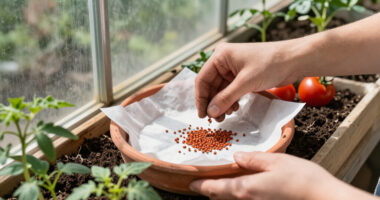
cover crop seed mix for soil improvement
As an affiliate, we earn on qualifying purchases.
As an affiliate, we earn on qualifying purchases.
Recent Trends in Organic and Regenerative Gardening
In recent years, there has been increased interest in organic gardening and regenerative agriculture practices. Experts emphasize cover cropping as a key strategy to maintain soil vitality without relying heavily on chemical inputs. Historically, cover crops have been used in large-scale farming but are now gaining popularity among home gardeners for their multiple benefits in small-scale settings.
Uncertainties About Timing and Crop Selection
While the benefits of cover crops are well-documented, specific recommendations may vary based on local climate, soil conditions, and individual gardening goals. It is not yet clear which cover crops perform best in all regions, and timing for planting may differ depending on local growing seasons. More region-specific research is needed to optimize recommendations.
Next Steps for Gardeners Considering Cover Crops
Gardeners are encouraged to assess their local climate and soil conditions and select appropriate cover crops accordingly. Consulting local extension services or gardening experts can provide tailored advice. As the planting season approaches, gardeners should plan to sow these crops in late summer or early fall, then incorporate them into the soil before winter.
Key Questions
Which cover crop is best for nitrogen fixation?
Leguminous cover crops such as clover and vetch are best for nitrogen fixation, enriching the soil naturally.
When is the ideal time to plant cover crops after harvest?
Typically, late summer or early fall is recommended, but timing depends on your local climate and planting schedule.
Can I plant cover crops in small backyard gardens?
Yes, cover crops are suitable for small gardens and can be easily integrated into existing planting plans to improve soil health.
Do cover crops require special maintenance?
Generally, cover crops need minimal maintenance—just sowing at the right time and incorporating them into the soil when they are mature or after their growing season.
Are cover crops safe for all types of soil and climate?
Most cover crops are adaptable, but selecting the right type for your specific conditions is important. Consulting local experts can help ensure success.
Source: rss
Fall yard work Picks
leaf blowers
As an affiliate, we earn on qualifying purchases.