Closed-loop water systems are winning in modern greenhouses because they continually reuse water, reducing waste and conserving resources. They improve efficiency by capturing runoff, filtering water, and maintaining high quality for plant health. These systems also cut costs on water bills, lower environmental impact, and support sustainability efforts. If you want to understand how these systems can benefit your greenhouse and improve your operation, there’s more to explore.
Key Takeaways
- They significantly reduce water waste by recycling runoff and evaporation, promoting sustainability.
- Lower operational costs through decreased water usage, energy consumption, and waste disposal fees.
- Enhance water quality control, preventing clogs, biofilms, and system failures with continuous filtration and monitoring.
- Support environmental conservation by minimizing strain on local water sources and reducing pollution.
- Incorporate advanced sensors and automation for precision irrigation, optimizing plant health and resource efficiency.
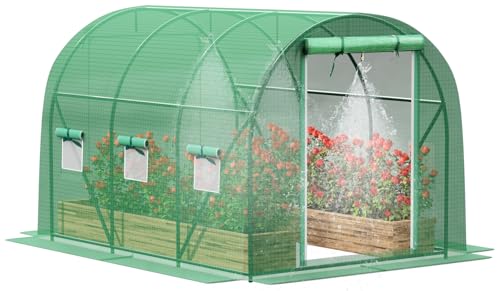
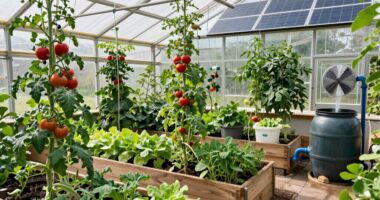
Greenhouse with 32FT Watering System, Outdoor Greenhouse with 6 Mesh Windows and 1 Door, Greenhouses with Drip Irrigation System for Plants, Seedlings, Flowers and Garden Raised Beds (10x7x7 FT)
greenhouse with watering system
As an affiliate, we earn on qualifying purchases.
As an affiliate, we earn on qualifying purchases.
How Do Closed-Loop Water Systems Work in Greenhouses?
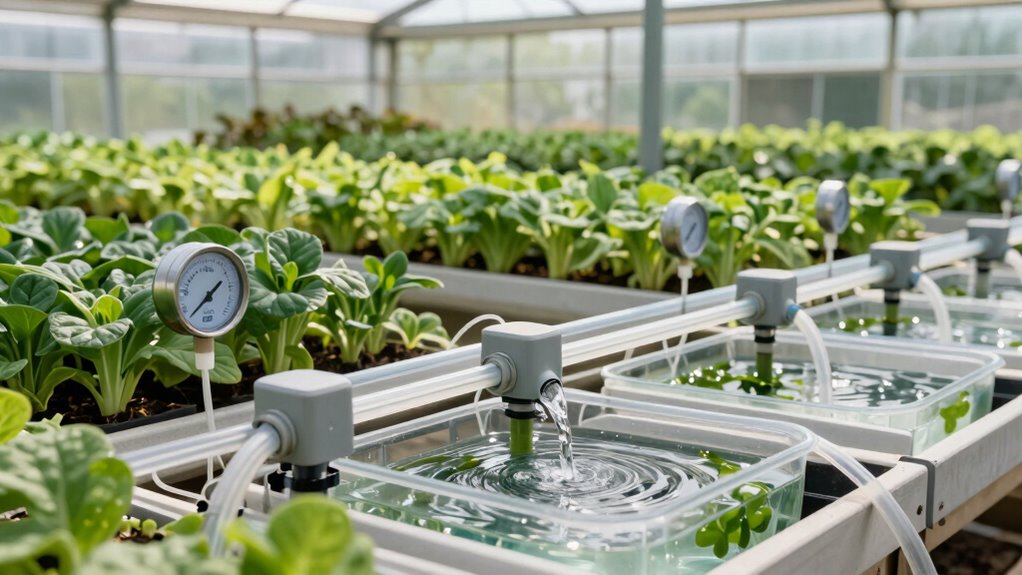
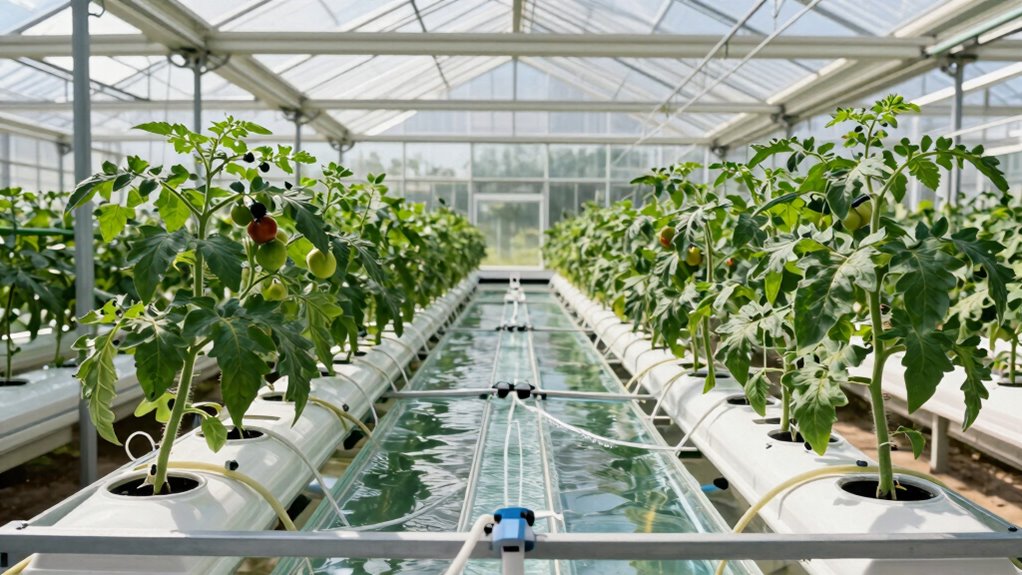
Have you ever wondered how greenhouses efficiently recycle water? In a closed-loop water system, water is continuously reused, reducing waste and conserving resources. This process begins with water collection, where runoff or excess irrigation is captured. Water purification then plays a vital role, filtering out contaminants to guarantee the water remains clean for reuse. This involves filtration, disinfection, and sometimes chemical treatment. To keep the system functioning smoothly, regular system maintenance is essential; it prevents clogging, guarantees filters work properly, and detects leaks early. Proper system calibration of the system ensures accurate operation and optimal water quality. Additionally, incorporating monitoring technologies helps optimize system performance and detect issues before they become significant problems. Maintaining water quality is also critical to prevent the buildup of harmful substances that could affect plant health. Proper water treatment methods are crucial to maintain the quality and safety of recycled water. By maintaining a balanced, purified water supply, greenhouses can optimize plant growth while minimizing water waste. This efficient cycle highlights how closed-loop systems are both environmentally friendly and cost-effective for modern greenhouse operations.

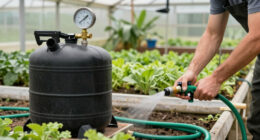
AQUACREST Garden Hose Water Filter for Plants, Greatly Reduces Chlorine, Odor, Improve Plants Health, Ideal for Organic Gardening, Farming and Pets, Pack of 2 (Package May Vary)
【Promoting the Healthy Growth of Plants】: The garden hose filter is specially developed for garden water. With advanced…
As an affiliate, we earn on qualifying purchases.
As an affiliate, we earn on qualifying purchases.
What Are the Main Components of a Closed-Loop Water System?

A closed-loop water system relies on several key components working together to guarantee efficient recycling and reuse of water. First, a filtration system ensures water purification, removing debris and contaminants for healthy plant growth. Second, a pump circulates water continuously through the system, maintaining flow and pressure. Third, a collection tank stores the water, making it easy to monitor and manage. Fourth, regular system maintenance is crucial to prevent blockages, check pumps, and ensure water quality remains high. These components work together to minimize water waste, improve efficiency, and sustain plant health. Additionally, implementing water quality testing helps ensure that the system maintains optimal conditions for plant growth. Regular monitoring of system performance can help identify issues early and prevent potential system failures. By prioritizing water purification and system maintenance, you keep your closed-loop system running smoothly and maximize its environmental and economic benefits. Incorporating sustainable water practices can further enhance the system’s overall efficiency and eco-friendliness.

SMART GARDENING MADE EASY: A Complete User Guide to Smart Irrigation Controllers, Garden Sensors, and Automated Watering Systems (The DIY Smart Home Guide Collection)
As an affiliate, we earn on qualifying purchases.
As an affiliate, we earn on qualifying purchases.
What Challenges Might You Face When Setting Up a Closed-Loop System?
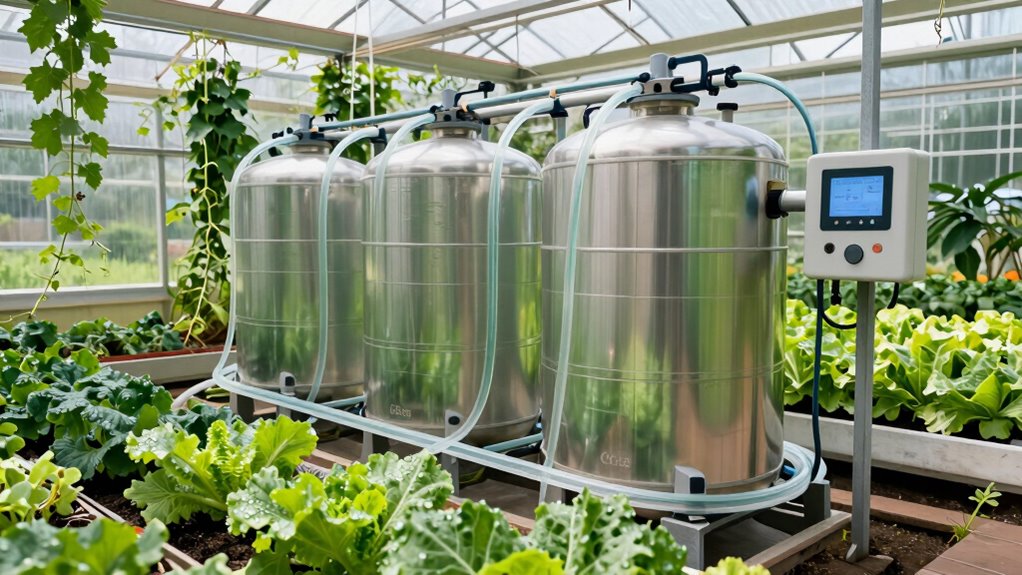
Setting up a closed-loop water system can present several challenges, especially if you’re unfamiliar with its components and requirements. One key issue is guaranteeing water quality; poor water can lead to clogs, biofilm buildup, or system inefficiencies. You’ll need to regularly monitor and adjust water parameters to prevent contamination and maintain ideal conditions. Implementing water testing methods can help detect issues early and ensure consistent quality. Regularly inspecting system components such as filters, pumps, and sensors is crucial for early detection of potential problems. System maintenance is also vital but can be tricky if you lack experience. Components like filters, pumps, and sensors require routine checks and cleaning to keep the system running smoothly. Additionally, initial setup costs and troubleshooting technical problems can pose hurdles. Planning carefully and staying vigilant about water quality and system upkeep will help you avoid common pitfalls and ensure your closed-loop system functions effectively over time. Incorporating proper filtration methods can significantly improve water quality and system longevity. Moreover, understanding industry trends can help you stay updated on new solutions and innovations that might simplify maintenance and improve efficiency.

RLECS 4PCS 1/2 Inch ID POM Plastic Connectors Hose Independent On/Off Valve for Greenhouse Flowerbeds Watering Aquariums Water Recycling
Product name: 1/2 inch ID straight through valve connector, hose water with throttle, can be more convenient to…
As an affiliate, we earn on qualifying purchases.
As an affiliate, we earn on qualifying purchases.
What Are the Benefits of Recycling Water in Greenhouses?
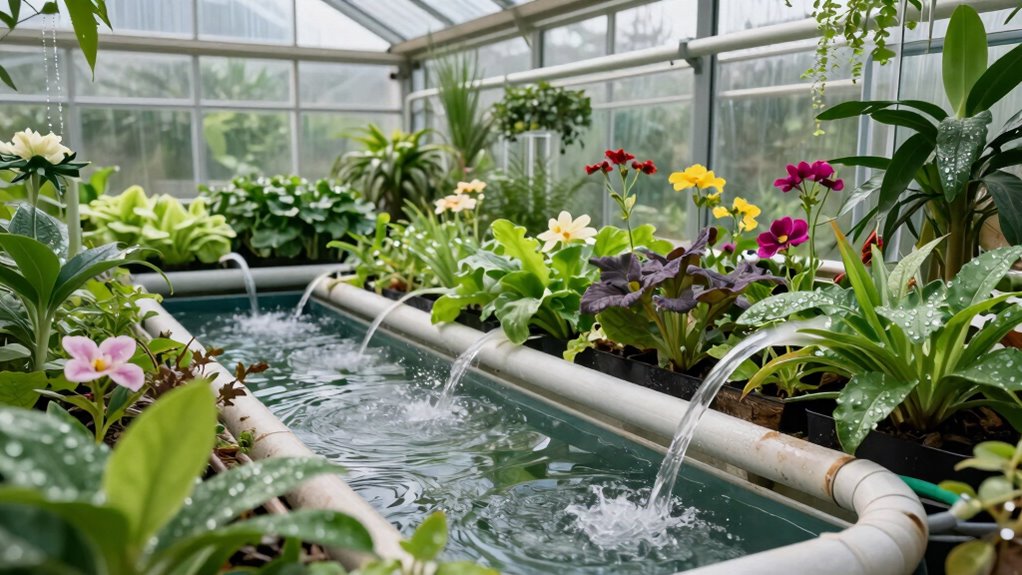
Recycling water in greenhouses helps you conserve resources and improve efficiency, reducing overall water waste. It also lowers your environmental impact by minimizing runoff and pollution. Plus, implementing these systems can lead to significant cost savings over time. Incorporating quick recovery routines such as foam rolling can further enhance your overall sustainability efforts by promoting better resource management and health. Additionally, designing systems that support natural filtration and biodiversity can optimize water quality while aligning with eco-friendly practices. By integrating smart thermostat setup principles, you can better regulate greenhouse environments to maximize water efficiency and energy savings. Drawing inspiration from Stoic resilience, innovative engineering solutions can be developed to create more sustainable and durable water management systems in greenhouses.
Water Conservation Efficiency
- Reduced Water Waste: Recycling captures runoff and evaporation, minimizing unnecessary loss. Additionally, implementing smart water management techniques can further optimize water reuse and minimize waste. Incorporating imagination into your planning can lead to innovative methods for water conservation and system design.
- Lower Utility Expenses: Less water consumption translates to decreased water bills.
- Enhanced Sustainability: Efficient water use supports eco-friendly practices and resource preservation.
- Increased Resilience: Recycling systems help you adapt to water shortages or restrictions more effectively. Using water recycling as part of your conservation strategies not only optimizes resource use but also promotes a more sustainable and cost-effective greenhouse operation. Incorporating recycled materials in gardening further enhances your eco-friendly efforts.
Reduced Environmental Impact
Recycling water in greenhouses substantially reduces environmental harm by lowering the demand for fresh water sources and decreasing wastewater discharge. This approach minimizes strain on local water supplies and prevents pollution from runoff. With effective water filtration, you remove contaminants and maintain water quality, supporting healthier plant growth. Nutrient balancing ensures plants receive the right nutrients without excess waste, further reducing environmental impact. Additionally, understanding the role of drone bees in pollination highlights the importance of sustainable practices in supporting healthy ecosystems. Incorporating urban agricultural methods can further optimize resource efficiency and sustainability in greenhouse operations. Emphasizing water reuse techniques can maximize the benefits of closed-loop systems, making greenhouses more environmentally friendly. Implementing chemical-free filtration also helps maintain ecological balance while achieving efficient water recycling. Utilizing innovative filtration technology can enhance water purification processes and improve overall system performance.
Cost Savings Opportunities
Have you considered how water reuse in greenhouses can substantially cut operational costs? Implementing closed-loop water systems with rainwater harvesting and water reuse protocols helps you save money in several ways:
- Reduced water bills by capturing and recycling rainwater instead of relying solely on municipal supply.
- Lower energy costs since less water needs to be pumped and treated.
- Minimized waste disposal fees by recycling runoff and wastewater.
- Enhanced sustainability, which can qualify your greenhouse for eco-friendly grants or incentives.
How Can You Decide If a Closed-Loop System Is Right for Your Greenhouse?
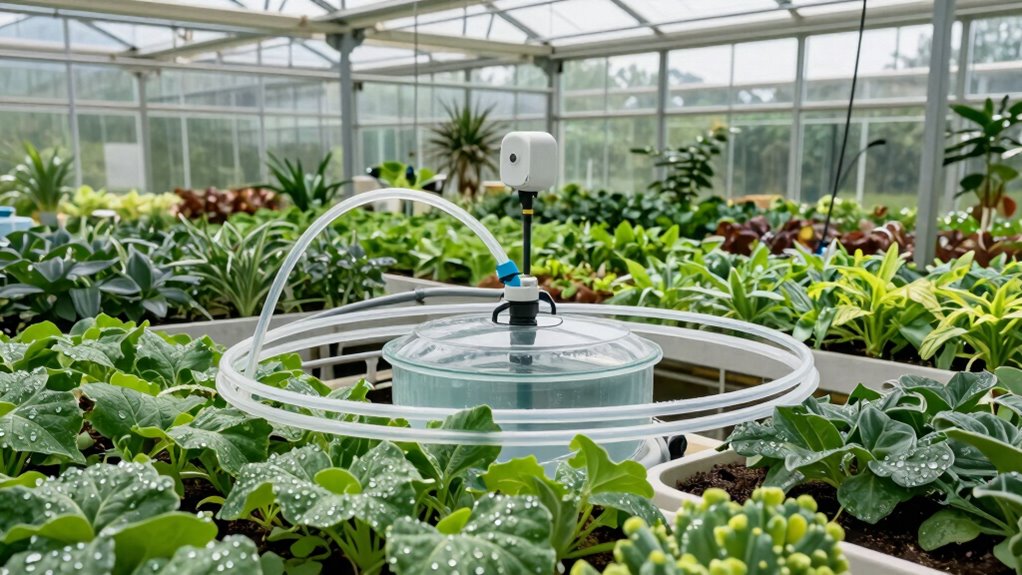
Deciding if a closed-loop water system suits your greenhouse depends on several factors, including your specific crop needs, resource availability, and long-term sustainability goals. First, assess your water quality; a closed-loop system requires clean water to prevent clogging and maintain system efficiency. If your water source has high mineral content or contaminants, it may require treatment before use. Next, consider system scalability—can the system grow with your operations? Closed-loop setups are ideal for scalable environments, but costs and complexity increase with size. You should also evaluate your ability to maintain water quality over time and whether the benefits of water conservation and sustainability outweigh the initial investment. These considerations will help determine if a closed-loop system aligns with your greenhouse’s unique needs.
What Are the Future Trends in Greenhouse Water Management?
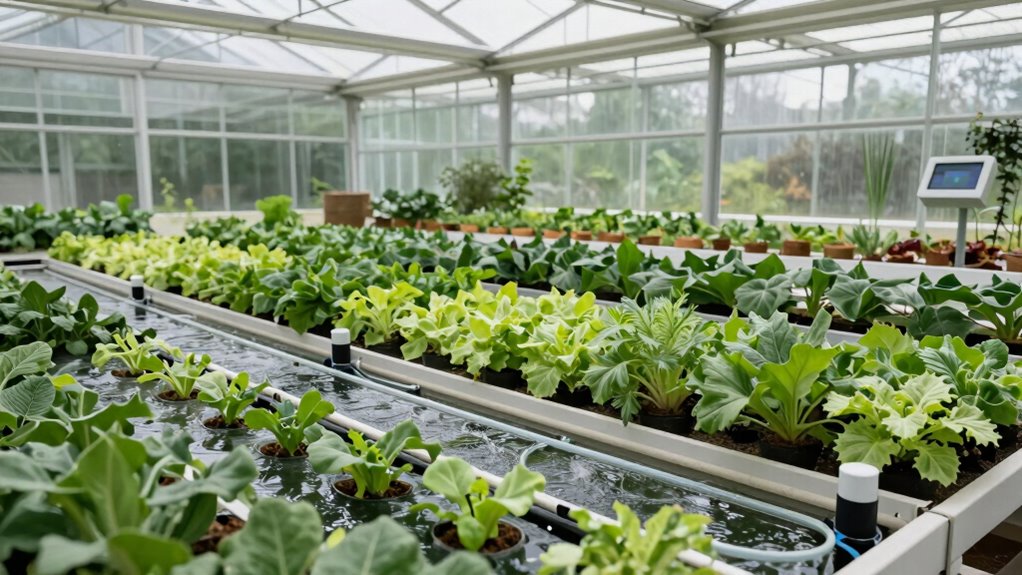
Future greenhouse water management will rely on advanced monitoring technologies to optimize water use and improve efficiency. You’ll see more integration of sustainable practices that reduce waste and conserve resources. Together, these trends will make water management more precise, eco-friendly, and easier to manage.
Advanced Monitoring Technologies
What are the emerging trends shaping the future of water management in greenhouses? Advanced monitoring technologies are revolutionizing the industry. You’ll see increased use of smart sensors that provide real-time data on soil moisture, humidity, and temperature, allowing precise control. Data analytics then process this information to optimize watering schedules and reduce waste. Here are key trends to watch:
- Integration of wireless smart sensors for continuous monitoring.
- AI-powered data analytics to predict water needs.
- Automated alerts for maintenance or irregularities.
- Cloud-based platforms for centralized data access.
These innovations enable you to make faster, data-driven decisions, improving efficiency and sustainability in your greenhouse operations. The future of water management lies in smart, connected systems that adapt seamlessly to your environment.
Integration of Sustainable Practices
Sustainable practices are becoming central to the evolution of water management in greenhouses, driven by the need to reduce environmental impact and conserve resources. You’ll see increased adoption of rainwater harvesting, allowing you to collect and utilize natural water sources efficiently. This practice minimizes reliance on external supplies and promotes self-sufficiency. Water quality management also plays a vital role, ensuring water is free of contaminants and suitable for plant health. Future trends include integrating sensors and automated systems to monitor water quality in real-time, optimizing usage and preventing waste. Combining rainwater harvesting with advanced water management techniques helps you create a more sustainable greenhouse, reducing costs and environmental footprint while maintaining ideal growing conditions.
Frequently Asked Questions
How Much Does Installing a Closed-Loop Water System Typically Cost?
Installing a closed-loop water system usually costs between $10,000 and $50,000, depending on your greenhouse size and system complexity. You should do a thorough cost analysis, considering water conservation benefits that can reduce long-term expenses. While the initial investment might seem high, the savings from efficient water use and reduced waste make it a smart choice for sustainable and cost-effective greenhouse operations.
What Maintenance Is Required for a Closed-Loop Water System?
You need to regularly check and maintain your closed-loop water system by inspecting water filtration components and cleaning or replacing filters as needed. System monitoring is essential to detect any issues like leaks or imbalances early. Keep an eye on water quality, pH levels, and flow rates to guarantee peak performance. Routine maintenance helps prevent clogs, bacteria buildup, and ensures your system runs efficiently and sustainably.
Can Closed-Loop Systems Be Integrated With Existing Greenhouse Setups?
Think of your greenhouse as a puzzle, where closed-loop systems are the perfect piece waiting to fit. Thanks to recent technological advancements, integrating these systems with your existing setup is smoother than ever. Historical adoption shows growers embrace these eco-friendly solutions, blending seamlessly into traditional structures. You can retrofit or design with flexibility, turning your greenhouse into a symphony of sustainability, efficiency, and innovation—an effortless harmony of old and new.
How Does Water Quality Affect System Efficiency?
Water quality directly impacts your system efficiency; poor-quality water causes clogging, corrosion, and disease. To maintain ideal performance, you should prioritize water purification, removing contaminants and minerals that hinder operation. Regular testing and filtration help keep water pure, ensuring your closed-loop system stays optimized. When water is clean, your system runs smoothly, conserving resources, reducing maintenance, and maximizing plant growth, making your greenhouse more sustainable and productive.
Are There Specific Plant Types That Benefit Most From Closed-Loop Systems?
Certain plant types, like herbs, leafy greens, and orchids, benefit most from closed-loop systems. These systems allow for precise system customization, ensuring ideal water and nutrient delivery for delicate or high-maintenance plants. By tailoring the system to specific plant needs, you reduce waste and improve growth rates. This targeted approach makes closed-loop systems especially advantageous for plant types requiring consistent moisture and nutrient control, boosting overall health and yield.
Conclusion
In the world of greenhouses, going green with a closed-loop water system is a smart, sustainable choice. By embracing efficient, eco-friendly practices, you not only conserve water but also cultivate a healthier, more harmonious habitat. With careful consideration and commitment, you can confidently choose a system that sustains your greenhouse’s growth. So, step into a smarter, greener future—where innovation and integrity intersect to inspire impactful, environmentally conscious gardening.