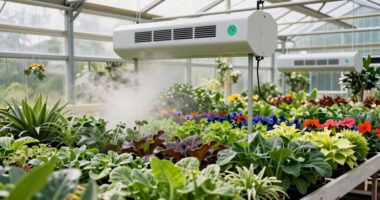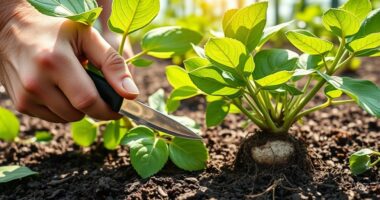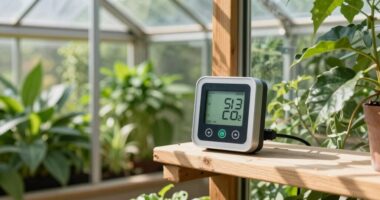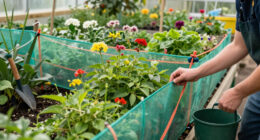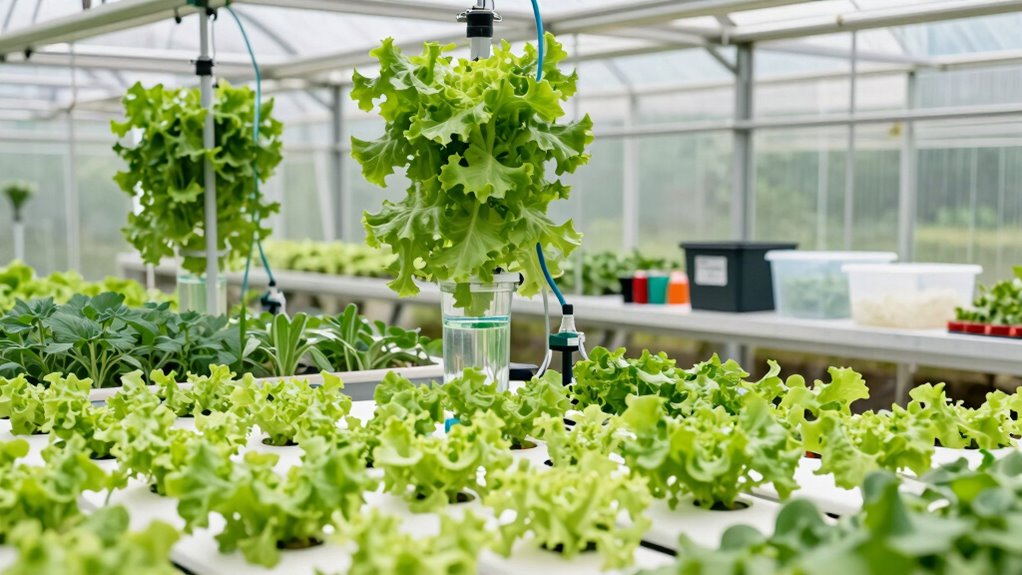

To start hydroponics without turning your greenhouse into a project maze, plan carefully by choosing the right system based on your space and experience. Select quality equipment like reservoirs, grow lights, and pumps, and keep everything organized. Focus on managing nutrient levels and maintaining a clean environment to prevent pests and diseases. Keeping things simple and tidy will make the process easier and more successful; as you explore further, you’ll discover ways to streamline your setup even more.
Open a free Amazon Business account
Business pricing, bulk buying and tax-exempt orders.
As an affiliate, we earn on qualifying purchases.
Key Takeaways
- Select a simple, proven hydroponic system suited to your space and experience level.
- Plan your setup carefully, including equipment and crop choices, to avoid unnecessary complexity.
- Use pre-mixed nutrient solutions and regularly monitor pH and nutrient levels for consistency.
- Keep the greenhouse clean and organized to prevent pests and reduce troubleshooting.
- Educate yourself on essential hydroponic practices to make informed decisions and streamline maintenance.
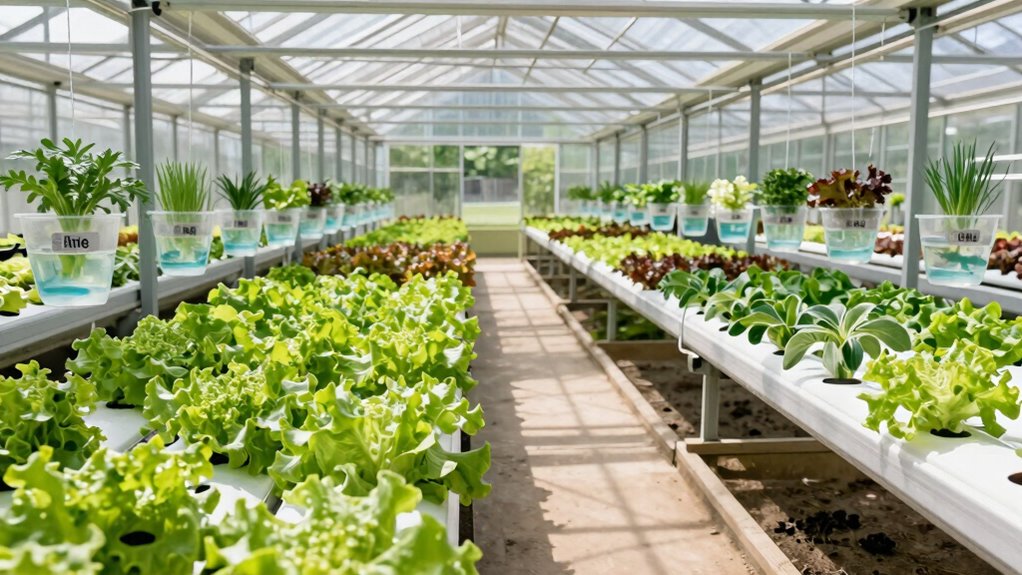
Starting hydroponics is easier than you might think. Unlike traditional gardening, you won’t have to worry about soil dependency, which means you can grow plants in controlled environments without the mess and unpredictability of soil-based setups. This approach simplifies many aspects of gardening, allowing you to focus on maintaining the nutrient solution and guaranteeing your plants get enough light and water. Since you’re not relying on soil, pests that typically hide in the ground become less of an issue, making pest management more straightforward. You don’t have to deal with soil-borne diseases or invasive insects that can sabotage your crops, giving you a cleaner, more manageable gardening process.
To get started without turning your greenhouse into a project maze, you should first plan your setup carefully. Decide what crops you want to grow and choose a hydroponic system that suits your space and experience level, whether it’s a simple wick system, nutrient film technique, or deep water culture. Once you have a plan, invest in quality equipment—reservoirs, grow lights, and circulation pumps—so you won’t have to constantly troubleshoot or upgrade prematurely. Proper planning reduces the risk of confusion later on, keeping your project streamlined and manageable. Additionally, understanding hydroponic systems can help you select the most efficient and suitable setup for your needs, optimizing your overall success.
Next, focus on your nutrient solution. Since hydroponics relies on you providing all the necessary nutrients directly to the roots, you need to get this right from the start. Use a pre-mixed hydroponic nutrient solution or learn how to mix your own, making sure to monitor pH and electrical conductivity regularly. This careful management assures healthy plant growth without the guesswork of soil fertility. Keeping your nutrient levels balanced minimizes the chance of deficiencies or toxicities, which can complicate your project and lead to more pest issues. Additionally, understanding soil dependency and how hydroponics eliminates this aspect can help you appreciate the benefits of soil-free cultivation, leading to more confident decision-making in your setup.
Finally, make pest management easier by maintaining a clean environment. Since pests are less likely to thrive without soil, your main concern becomes monitoring for airborne insects or fungal problems. Regularly check your plants and keep the greenhouse tidy, removing dead leaves or debris that could harbor pests. Use integrated pest management strategies, such as introducing beneficial insects or applying organic treatments, to keep pests under control without complicated chemical routines. With a well-organized setup, you’ll find that managing pests and maintaining healthy plants becomes a straightforward part of your hydroponic journey, not a source of frustration.
hydroponic system kit for beginners
As an affiliate, we earn on qualifying purchases.
As an affiliate, we earn on qualifying purchases.
Frequently Asked Questions
What Are Common Beginner Mistakes in Hydroponics?
One common beginner mistake in hydroponics is neglecting plant support, which can lead to weak growth or damage. Another mistake is failing to regularly check and balance pH levels, causing nutrient deficiencies or toxicities. You might also overcomplicate your system or ignore the importance of consistent maintenance. To succeed, focus on proper plant support structures and diligent pH balancing, ensuring your plants have a stable environment to thrive.
How Much Initial Investment Is Needed?
Starting hydroponics is like planting a seed; your initial investment varies, but expect to spend around $200-$500 for a basic system. If you’re into vertical gardening, costs might rise slightly. You’ll also need DIY nutrient solutions, which save money and customize your setup. Remember, investing wisely in quality equipment and supplies guarantees your hydroponic journey begins smoothly without turning your greenhouse into a project maze.
Which Plants Grow Best Hydroponically?
You’ll find that herbs like basil, mint, and cilantro thrive hydroponically, offering quick growth and high yields. For fruit selection, strawberries and small tomatoes are excellent choices because they adapt well to hydroponic systems. These plants grow best with consistent nutrient delivery and proper lighting, making your hydroponic setup efficient without turning your greenhouse into a complicated project maze. Focus on these crops to guarantee success from the start.
How to Troubleshoot Nutrient Deficiencies?
To troubleshoot nutrient deficiencies, you need to monitor your system closely. Check for pH imbalance first, as it can cause nutrient lockout, preventing plants from absorbing essential nutrients. Adjust the pH to the ideal range, usually between 5.5 and 6.5. Then, guarantee your nutrient solution is balanced and replenished regularly. By maintaining proper pH levels and nutrient balance, you prevent deficiencies and promote healthy, vigorous plant growth.
Is Hydroponics Suitable for Small Spaces?
Yes, hydroponics suits small spaces, making it perfect for urban farming and indoor gardening. You can set up compact systems on countertops, shelves, or small grow tents, maximizing limited space. Hydroponics allows you to grow a variety of plants vertically or in small containers, saving room while providing fresh produce. With proper lighting and ventilation, you’ll enjoy efficient, sustainable gardening right inside your home or apartment, even in tight quarters.
Conclusion
Starting hydroponics can feel overwhelming, like trying to find your way through a maze. But remember, every expert was once a beginner. I once watched a friend set up her first system—within weeks, her tiny setup thrived, proving that patience and simple steps lead to success. Think of your hydroponic journey as planting seeds—nurture it steadily, and soon you’ll reap a lush, productive garden without the chaos. Keep it simple, and enjoy the growth!
Fall Picks
fall essentials
As an affiliate, we earn on qualifying purchases.