Data loggers are essential for home greenhouse growers because they provide real-time insights into your environment, helping you maintain ideal conditions for your plants. They automatically monitor temperature, humidity, and light levels, alerting you when adjustments are needed. This reduces manual checks and improves pest control, disease prevention, and plant health. As technology advances, these devices become more affordable and user-friendly. Keep exploring to discover how data loggers can transform your greenhouse success.
Key Takeaways
- They provide real-time, automated monitoring of critical environmental factors like temperature and humidity.
- Enable early detection of conditions that promote pests, mold, or plant stress.
- Support data-driven adjustments for optimal plant health and consistent growth.
- Allow remote access and alerts, reducing manual checks and increasing convenience.
- Help analyze historical trends to improve climate control strategies over time.
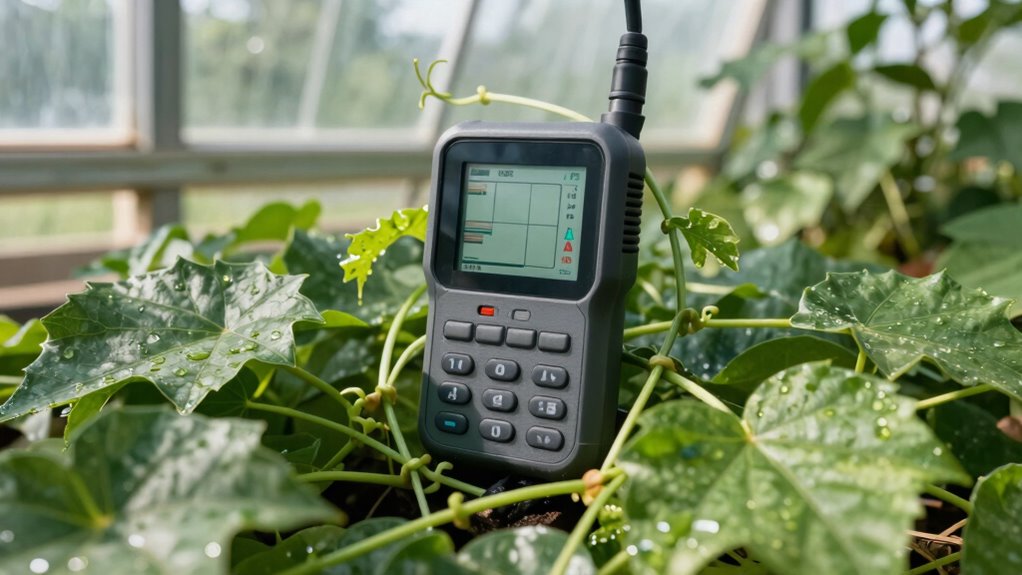
Greenhouse growers increasingly rely on data loggers to monitor environmental conditions and optimize plant growth. These small devices provide real-time data on temperature, humidity, light levels, and other essential factors that influence plant health. For home greenhouse enthusiasts, this technology isn’t just a luxury; it’s an indispensable tool to maintain the ideal environment. Accurate climate control is critical because even slight fluctuations can stress plants, slow growth, or invite pests and diseases. Data loggers help you keep conditions within ideal ranges, alerting you when adjustments are needed, whether it’s turning on a fan, misting system, or heater. They give you peace of mind by automating the monitoring process, so you don’t have to constantly check thermometers or hygrometers manually. Additionally, these devices can integrate with other systems, providing a comprehensive approach to environmental management. This integration can also facilitate data analysis, helping you make informed decisions based on long-term trends. Moreover, some advanced data loggers can even send alerts directly to your smartphone, making remote monitoring more accessible and efficient. Incorporating cloud-based storage allows for secure, accessible record-keeping and trend analysis over time.
Beyond climate control, data loggers play a pivotal role in pest management. Pests thrive when environmental conditions are just right for them, often exacerbated by temperature and humidity swings. By consistently tracking these variables, you can spot trends that might signal an increased risk of pest infestations. For example, high humidity levels can create a perfect environment for mold or fungal issues, which attract pests and compromise plant health. Catching these changes early allows you to implement preventive measures before a full-blown infestation occurs. Additionally, some data loggers can be integrated into pest management strategies by triggering automated responses, like activating fans or dehumidifiers, to make conditions less hospitable for unwanted visitors. Using environmental data effectively can significantly reduce the need for chemical interventions.
Using data loggers also enhances your ability to troubleshoot problems quickly. If you notice a sudden decline in plant health, reviewing historical environmental data can help you identify whether temperature spikes, drops, or humidity fluctuations contributed to the issue. This insight lets you fine-tune your climate control systems more effectively, reducing the likelihood of recurring problems. For home growers, this means less guesswork and fewer wasted resources on ineffective treatments or interventions. The value of consistent, accurate data cannot be overstated when it comes to maintaining a healthy, productive greenhouse.
In essence, data loggers are a smart investment for anyone serious about their greenhouse. They empower you to manage climate control precisely and stay ahead of pest threats, ultimately leading to healthier plants and more successful growing seasons. With technology continuously advancing, these devices are becoming more affordable and easier to use, making them accessible even for hobbyists. Embracing data loggers means you’re taking control of your environment, making smarter decisions, and ensuring your greenhouse thrives year-round.

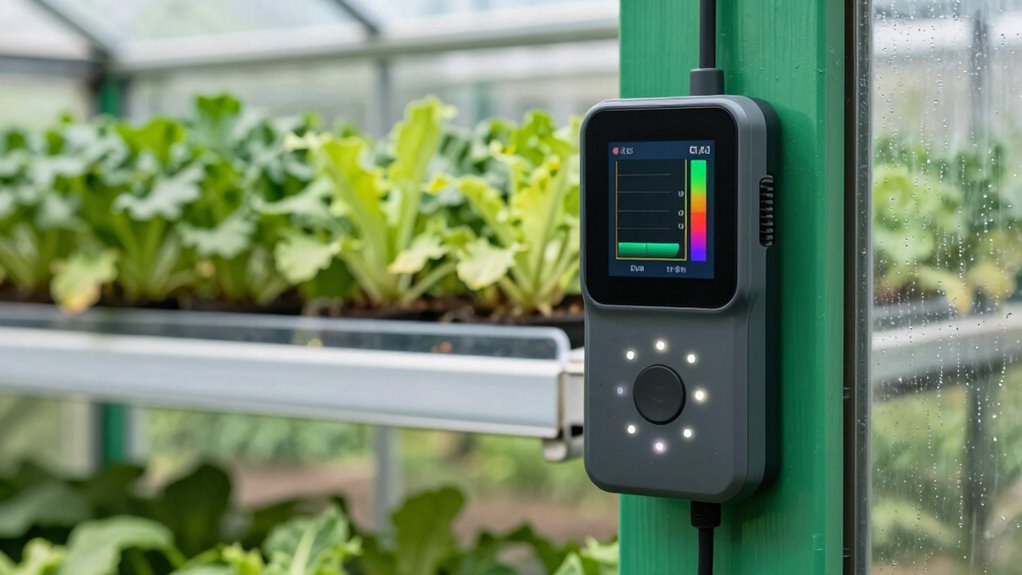
YoLink 2-Pack X3 Version Temperature Humidity Data Logger, Longest Wireless Range, 5+ Years Battery, Emails/Text/App Alerts, Alexa, Best Freezer, Greenhouse Monitor. Hub Included
- Remote Temperature & Humidity Monitoring: Via YoLink app, no subscription needed
- Real-Time Alerts for Abnormal Conditions: Notifications via email, SMS, app
- High Accuracy & Wide Range: ±0.54℉ temperature, ±3% RH humidity, -22° to 140°F
As an affiliate, we earn on qualifying purchases.
As an affiliate, we earn on qualifying purchases.
Frequently Asked Questions
How Do Data Loggers Compare to Traditional Monitoring Methods?
Data loggers outperform traditional monitoring methods by providing continuous, real-time data, reducing manual checks. You can easily calibrate sensors for accuracy and analyze the collected data to identify trends or issues promptly. Unlike traditional methods, which may rely on sporadic measurements, data loggers offer precise, consistent insights into temperature, humidity, and other conditions, helping you optimize your greenhouse environment efficiently and effectively.
Can Data Loggers Be Used for Outdoor Greenhouses?
Yes, you can use data loggers for outdoor greenhouses. They help you track weather patterns, such as temperature, humidity, and light, which are essential for maintaining ideal growing conditions. Additionally, data loggers assist with pest control by alerting you to environmental changes that could attract pests. This proactive approach allows you to adjust conditions promptly, ensuring healthier plants and better yields in your outdoor greenhouse.
What Is the Average Lifespan of a Data Logger Device?
The average lifespan of a data logger typically ranges from 1 to 5 years, depending on factors like sensor calibration and battery longevity. You’ll want to regularly calibrate sensors to guarantee accuracy, and keep an eye on battery health, as depleted batteries can shorten device life. Proper maintenance and choosing a high-quality model can extend the lifespan, helping you monitor your greenhouse effectively over time.
Are Data Loggers Suitable for All Types of Crops?
Data loggers aren’t a one-size-fits-all tool; they work best when tailored to your crops. Think of them as a Swiss Army knife—useful, but with limitations. For crop-specific insights, they excel in monitoring environmental factors, but some complex or sensitive crops might need more specialized equipment. So, while versatile, understanding data logger limitations helps you choose the right device for your greenhouse’s unique needs.
How Secure Is the Data Collected by These Devices?
The data collected by data loggers is generally secure, but you should stay aware of data privacy and hacking risks. Many devices use encryption and secure servers to protect your information, reducing the chance of unauthorized access. However, you’re responsible for keeping your system updated and using strong passwords. Being vigilant about security measures helps guard your data from hacking risks, ensuring your greenhouse information stays safe and private.
Conclusion
Even if you’re just starting out, data loggers can be game-changers for your greenhouse. Imagine monitoring temperature and humidity levels in real-time, preventing mold or stressing plants during a heatwave. For example, a small-scale grower used a data logger to adjust watering schedules based on humidity data, resulting in healthier plants and higher yields. Don’t underestimate their value—these simple devices help you make smarter decisions, ensuring your greenhouse thrives all year round.