
Starting with fewer monitors helps you focus on quality and essential information first. It reduces clutter, making your workspace more efficient and easier to manage. Using just one or two screens allows you to optimize placement, avoid strain, and calibrate hardware properly. You’ll discover that a streamlined setup boosts productivity and comfort before considering expansion. If you keep exploring, you’ll find practical tips to build the perfect monitor arrangement for your needs.
Open a free Amazon Business account
Business pricing, bulk buying and tax-exempt orders.
As an affiliate, we earn on qualifying purchases.
Key Takeaways
- Starting with a single monitor enhances focus and reduces clutter, improving overall workspace efficiency.
- Fewer monitors simplify calibration and ergonomic setup, ensuring better visual quality and comfort.
- Prioritize critical information on initial screens before expanding to avoid unnecessary distractions.
- Gradual expansion allows for hardware optimization and minimizes unnecessary costs.
- Emphasizing quality over quantity ensures a more secure and well-organized monitoring environment.
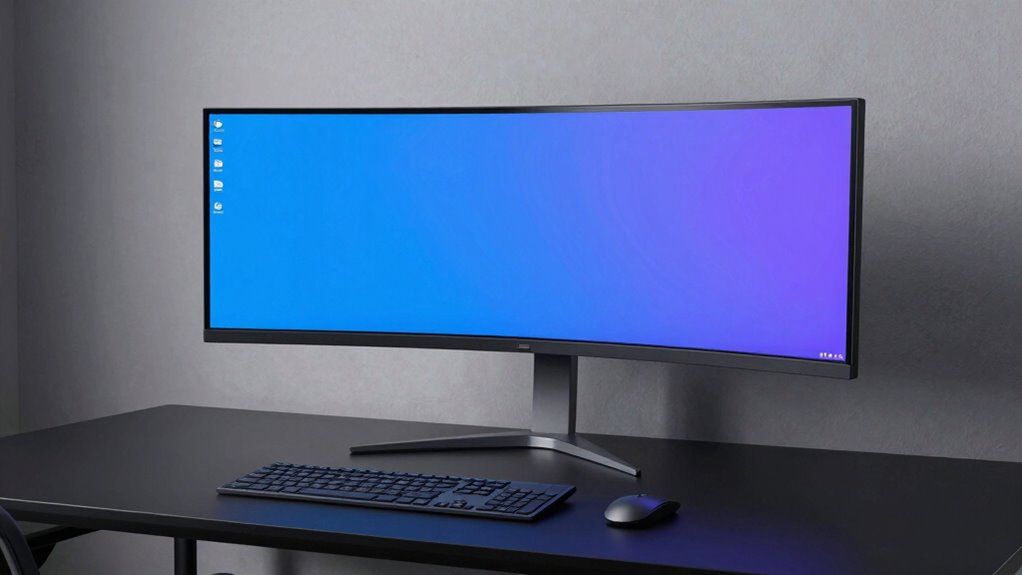
Are you looking to optimize your workspace with the best monitoring setup? If so, you might assume that more screens or complex equipment will automatically improve your productivity. But surprisingly, fewer monitors can often be more effective, provided you set them up thoughtfully. Starting small allows you to focus on quality and functionality rather than quantity. When designing your setup, consider not just the number of screens but how they integrate into your workflow. Proper hardware calibration becomes essential here; ensuring your monitors are accurately displaying colors and resolutions prevents eye strain and keeps your visuals sharp. This calibration is *pivotal* for tasks that require precision, like graphic design or detailed data analysis. It also helps maintain consistency across your displays, making it easier to interpret information quickly and accurately. Additionally, focusing on monitor placement and ergonomic setup can greatly enhance comfort and reduce fatigue during long work sessions. Beyond hardware, maintaining strong network security is *imperative*. Your monitoring system is only as good as its security measures. If you’re connecting multiple devices or screens to a network, you need to safeguard sensitive data. Use strong, unique passwords for your network and enable encryption protocols. Regularly update your firmware and software to patch vulnerabilities, and consider setting up a dedicated network segment for your monitoring hardware. This minimizes the risk of cyber threats that could compromise your system or leak confidential information. A secure network not only protects your data but also *guarantees* your monitoring setup runs smoothly without interruptions caused by malicious attacks. When you start with fewer monitors, you give yourself room to refine your setup. Focus on the most critical information you need at a glance, and arrange your screens accordingly. Position your primary monitor directly in front of you, with secondary screens angled to reduce neck strain. This ergonomic approach helps maintain comfort during long work sessions. Furthermore, hardware calibration ensures your entire setup operates at peak performance, which is especially important for detailed tasks. As you become more comfortable with your configuration, you can add monitors or upgrade hardware if needed, but initial simplicity keeps things manageable and prevents clutter. Remember, a cluttered workspace hampers efficiency, so keep your setup streamlined and purposeful. Ultimately, the best monitoring setup doesn’t necessarily mean the most screens or expensive gear. It’s about balancing hardware calibration, network security, and ergonomic placement. Start with fewer monitors, calibrate your hardware properly, and secure your network. Implementing best practices for setup can help you optimize your workspace even further. Doing so *guarantees* your workspace is both efficient and protected, allowing you to focus on your tasks without distraction or concern.
As an affiliate, we earn on qualifying purchases.
Frequently Asked Questions
How Do I Determine the Right Number of Monitors for My Needs?
You determine the right number of monitors by considering your workflow and workspace. Start with one or two, then add more if needed for multitasking or detailed work. Make sure each monitor has proper color calibration for accuracy, and incorporate ergonomic accessories like adjustable stands to prevent strain. Focus on comfort and productivity, rather than just the number, and adjust your setup as your needs evolve.
What Factors Influence the Optimal Monitor Setup?
You can’t judge a book by its cover, so consider factors like color calibration to guarantee accuracy and ergonomic design for comfort. Your workspace’s size and your workflow also matter—more monitors aren’t always better. Think about how you use your screens, aiming for a setup that minimizes eye strain and boosts productivity. Ultimately, the best setup supports your needs, balancing technical quality with comfort and efficiency.
Can Fewer Monitors Improve My Productivity?
Yes, fewer monitors can boost your productivity by improving multitasking efficiency and ergonomic comfort. With fewer screens, you reduce visual clutter, making it easier to focus on essential tasks. Plus, maintaining an ergonomic setup minimizes strain and fatigue, helping you work longer comfortably. Simplifying your monitor setup allows you to stay organized and sharp, ultimately enhancing your overall efficiency and well-being while working.
What Are Common Mistakes When Choosing Monitors?
You might think choosing monitors is straightforward, but common mistakes can hamper your setup. Overlooking color calibration leads to inaccurate visuals, affecting work quality. Ignoring ergonomic design causes discomfort and strain over time. To avoid these errors, prioritize monitors with good color accuracy and adjustable stands. This guarantees you get clear, consistent images and a comfortable workspace, ultimately boosting productivity and reducing fatigue during long hours of work.
How Does Monitor Placement Affect Performance?
Monitor placement directly impacts your performance by enhancing ergonomic comfort and visual ergonomics. Position your monitor so the top of the screen is at or slightly below eye level, and keep it about an arm’s length away. This setup reduces neck strain and eye fatigue, allowing you to focus longer without discomfort. Proper placement helps maintain productivity, minimizes distractions, and supports your overall well-being during extended work sessions.
Conclusion
Remember, a great monitoring setup isn’t about having the most screens or gadgets. Sometimes, fewer, well-chosen tools can give you clearer insights and reduce clutter. Think of it like a good playlist — quality over quantity makes all the difference. So, trust the idea that simplicity often beats complexity. Start small, focus on what truly matters, and you’ll find your monitoring becomes more effective and less overwhelming. Less really is more.
Fall yard work Picks
leaf blowers
As an affiliate, we earn on qualifying purchases.