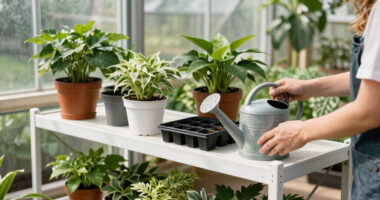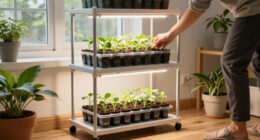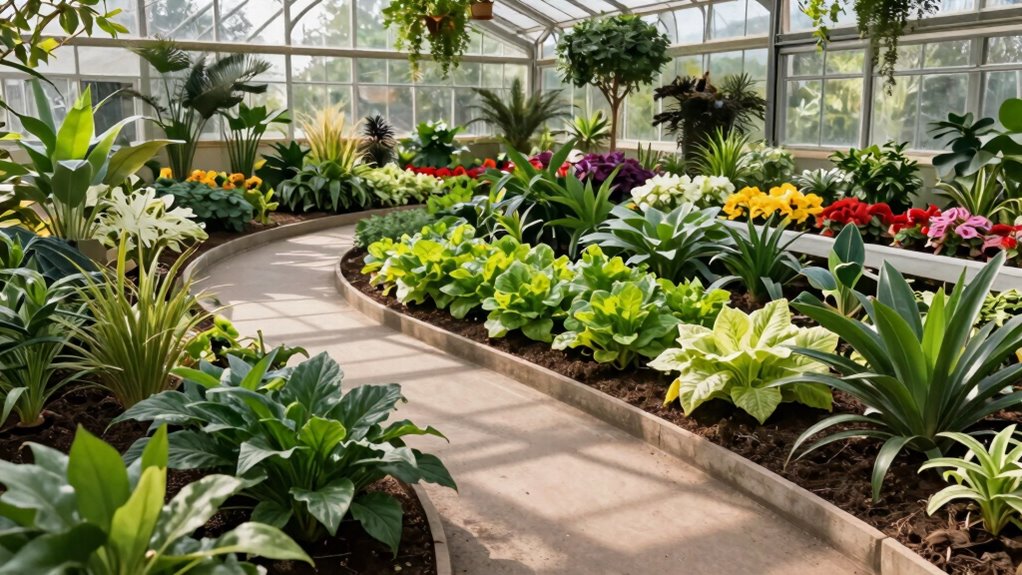

A good greenhouse layout feels obvious only after you use it because you quickly notice how proper plant spacing and ventilation make plant care easier, healthier, and less stressful. When the layout is well-designed, airflow improves, pest issues drop, and plants grow more evenly. At first, these benefits aren’t immediately clear, but as you experience healthier plants and fewer problems, the value becomes obvious. Keep exploring to discover how thoughtful planning can transform your greenhouse experience.

Get garden gear delivered free — and shop member deals
- Fast, free delivery on millions of items
- Access to Prime Big Deal Days deals on October 6–7
- Prime Video, Amazon Music and more included
Key Takeaways
- Practical experience highlights how proper spacing and ventilation improve plant health and ease management.
- Using the greenhouse reveals the importance of thoughtful layout in maintaining consistent temperature and airflow.
- Real-world use demonstrates how good design reduces pests, diseases, and maintenance efforts over time.
- Hands-on use makes the benefits of planning—like even growth and simplified monitoring—more apparent.
- Familiarity with the space clarifies how initial planning prevents future issues and enhances overall productivity.
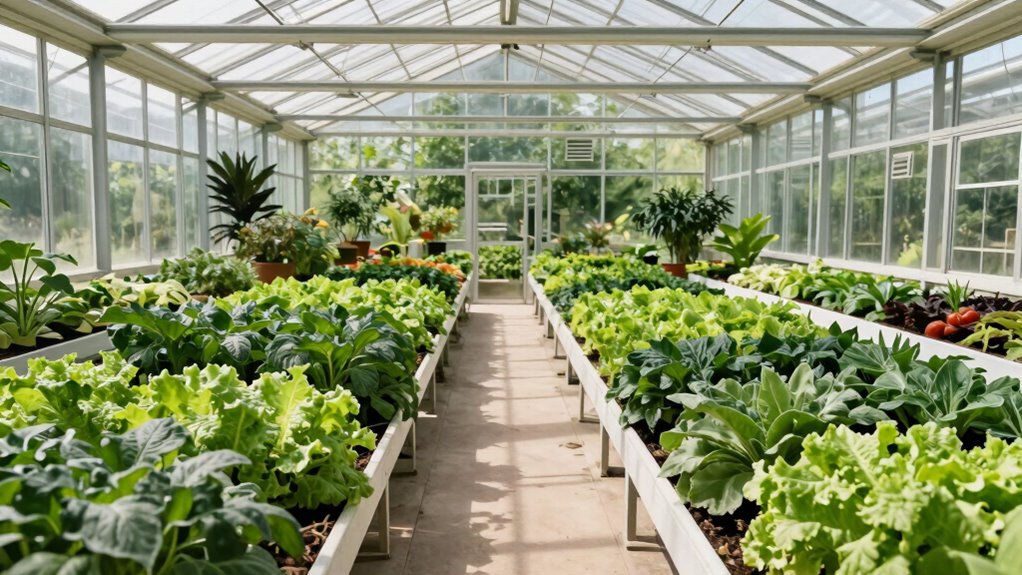
Designing an effective greenhouse layout can considerably boost your gardening success by optimizing space, light, and airflow. When you plan carefully, you’re setting yourself up for healthier plants, easier maintenance, and higher yields. One of the key elements in this planning is understanding plant spacing; it’s not just about fitting as many plants as possible, but about giving each plant enough room to grow and thrive. Proper plant spacing prevents overcrowding, which can lead to competition for nutrients and light, and makes it easier to manage pests and diseases. When you observe your greenhouse after planting, you’ll realize how much difference good spacing makes—plants aren’t fighting for space, and airflow moves freely between them.
Ventilation design is another crucial aspect of a good layout. Initially, you might think of ventilation as just a way to cool things down, but it’s also vital for controlling humidity, reducing mold, and exchanging gases. When you set up your greenhouse with effective ventilation in mind, you’ll notice that airflow is more natural and consistent, which keeps plants healthy and reduces stress. As you start using your greenhouse, the benefits of a well-thought-out ventilation system become obvious—plants grow stronger, and you spend less time battling mold or pests. The design doesn’t have to be complicated; simple roof vents, side vents, or exhaust fans can make a significant difference. When airflow is optimized, you’ll see fewer issues with fungal diseases and more vigorous plant growth. Recognizing the importance of proper greenhouse design early on can save you time and frustration later.
At first, you might not fully appreciate how much these elements influence your gardening success. It’s tempting to just cram in more plants or overlook airflow and plant spacing, thinking that more is better. But once you start using your greenhouse, the benefits of a thoughtful layout become clear. Plants that have enough space grow more evenly and resist diseases better. Good ventilation means you don’t have to constantly monitor humidity or fight off mold. You’ll notice healthier, more productive plants, and less effort spent on cleanup or pest control. Understanding greenhouse dynamics is essential for creating a thriving environment, and this awareness often develops through experience. Additionally, proper airflow can help maintain consistent temperature levels, which are crucial for plant health. When you incorporate efficient layout principles, you’ll find that managing your greenhouse becomes more intuitive and less overwhelming. The truth is, a well-designed greenhouse layout doesn’t just look good on paper; it feels instinctive once you see how smoothly everything runs. The initial planning might seem like extra work, but the payoff is a greenhouse that feels right—efficient, manageable, and productive. Effective planning and attention to detail can make all the difference in creating a thriving greenhouse environment.
As an affiliate, we earn on qualifying purchases.
Frequently Asked Questions
How Do I Start Designing My Greenhouse Layout?
Start designing your greenhouse layout by planning plant placement based on each plant’s light and space needs. Then, organize watering zones to guarantee easy access and efficient irrigation. Think about flow—placing frequently accessed plants near the entrance and grouping similar plants together. Test your layout with a rough sketch, and adjust as you gain experience. Over time, you’ll see what works best, making the design feel more intuitive.
What Tools Are Best for Planning a Greenhouse?
You’ll want to use tools like graph paper or digital design software to plan your greenhouse. Focus on plant placement and lighting optimization, ensuring each plant gets enough light and space. Tools like SketchUp or Garden Planner can help you visualize different layouts. Start by sketching out your space, then experiment with arrangements that maximize light exposure and accessibility, making adjustments as you learn what works best for your plants.
How Much Space Should I Allocate for Different Plants?
You should allocate space based on plant spacing requirements and growth zones. For example, vegetables need about 12-24 inches apart, while larger plants like tomatoes require more room. Consider each plant’s growth zone to guarantee they thrive. Group plants with similar needs together, and leave pathways for easy access. Proper spacing prevents overcrowding, promotes airflow, and ultimately leads to healthier, more productive plants.
Can I Modify My Layout After Building?
Yes, you can modify your greenhouse layout after building. As you observe how plants respond, you might find the need to adjust ventilation or improve your watering system. Flexibility is key; you can rearrange shelves, add vents, or reroute watering lines to optimize conditions. Regularly assess your setup, and don’t hesitate to make tweaks that enhance plant health and overall efficiency.
How Do I Ensure Proper Airflow in the Layout?
Imagine you’re a modern-day Sherlock, solving airflow mysteries. To guarantee proper airflow, implement ventilation strategies like exhaust fans and adjustable vents. Position fans to promote air circulation, avoiding dead zones. Keep doors and windows strategically placed to facilitate cross-ventilation. Regularly monitor temperature and humidity, adjusting vents as needed. This proactive approach helps maintain healthy conditions, making your greenhouse’s layout feel intuitive and effective, even if it didn’t at first.
Conclusion
Once you’ve experienced a well-designed greenhouse layout, it’s like discovering a secret garden you didn’t realize was there all along. The flow and organization become second nature, making gardening feel effortless, almost like the plants are dancing to your tune. What once seemed complex now feels obvious—your greenhouse transforms into a thriving, harmonious space. Trust the process; with time, your layout will reveal itself as the quiet hero behind your gardening success.
Halloween Picks
halloween
As an affiliate, we earn on qualifying purchases.