Adding a Wetwall evaporative cooling system is a smart way to cut energy costs while boosting indoor comfort. You’ll want to install the system in a shaded, well-ventilated spot, ensuring it’s connected to a steady water source and airflow system. Maintenance involves regular cleaning of pads and water lines to keep it running efficiently. If you keep these tips in mind, you’ll discover how easy and effective this eco-friendly cooling method can be.
Key Takeaways
- Choose a shaded, well-ventilated location for optimal cooling performance.
- Connect the system to a steady water source with proper regulation devices.
- Install the wetwall securely using brackets or anchors for stability.
- Attach a blower or fan to ensure efficient airflow through the wetpad.
- Perform regular cleaning and maintenance to maintain energy efficiency and system lifespan.
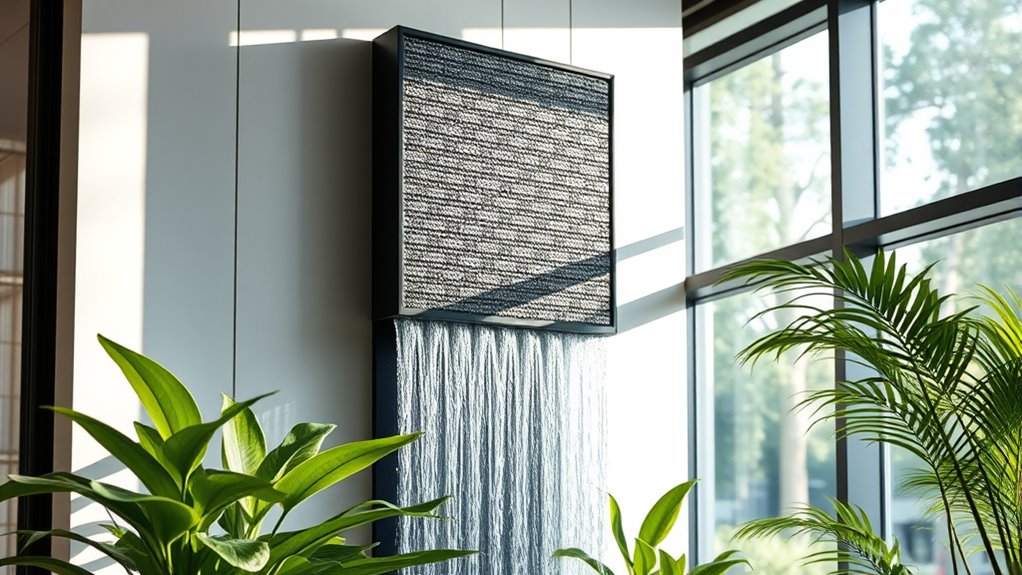
Are you looking for an efficient way to beat the heat and lower your cooling costs? Adding a wetwall evaporative cooling system might be the perfect solution. These systems harness natural evaporation to cool the air, making them highly energy efficient compared to traditional air conditioning units. When you choose to install a wetwall, you’ll notice a significant reduction in your energy bills because they consume less power while providing effective cooling. Plus, they’re environmentally friendly, relying on water and airflow rather than refrigerants.
The installation process for a wetwall system is straightforward, but it’s important to follow the right steps to guarantee maximum performance. First, you’ll need to select the right location—preferably a shaded, well-ventilated area where the system can operate efficiently without direct exposure to the sun or dust that could clog the system. Once you’ve chosen the spot, mounting the wetwall involves fixing the panel securely to a wall using brackets or anchors designed for your specific setup. The process is generally quick and doesn’t require extensive construction, making it accessible even if you’re doing it yourself.
Connecting the water supply is vital for the system’s operation. You’ll need to attach it to a reliable water source, ensuring that the water flow is steady and controlled. Many systems come with a built-in float valve or similar device to regulate water levels automatically, which helps maintain consistent cooling performance and reduces waste. After that, you’ll connect the blower or fan, which pulls air through the wetwall, allowing the evaporative process to cool the incoming air before it circulates into your space. Proper placement of the fan is key—position it in a way that maximizes airflow and ensures even distribution of cooled air throughout your area.
Maintenance is simple but essential for keeping your wetwall system running efficiently. Regularly cleaning the water distribution system and replacing or cleaning the pads prevents mineral buildup and mold growth. This upkeep preserves the system’s energy efficiency and prolongs its lifespan. Additionally, understanding the benefits of energy efficiency can help you appreciate the long-term savings and ecological advantages of this system. As you get used to its operation, you’ll find that a wetwall evaporative cooling system is a cost-effective, eco-friendly upgrade that can make a noticeable difference during hot months. It’s a smart choice for lowering your cooling costs while enjoying a comfortable indoor environment, especially if you prioritize energy efficiency and want a hassle-free installation process.
Frequently Asked Questions
How Much Does a Wetwall Evaporative Cooling System Typically Cost?
A wetwall evaporative cooling system typically costs between $1,500 and $3,000, including installation expenses. The exact cost estimate depends on the size of the system and your location. You might also need to think about additional expenses for ductwork or modifications to your existing setup. To get an accurate idea, it’s best to consult a professional who can evaluate your space and provide a detailed quote.
What Maintenance Is Required for a Wetwall Cooling System?
You need to regularly check water quality and replace filters to keep your wetwall cooling system running smoothly. Clean the water reservoir weekly to prevent mineral buildup and bacteria growth. Replace filters every few months or as needed to maintain airflow and efficiency. Additionally, inspect and clean the pads periodically to ensure peak cooling performance. Proper maintenance helps extend your system’s lifespan and keeps it functioning at its best.
Can a Wetwall System Be Used Indoors Safely?
Yes, you can use a wetwall system indoors safely if you prioritize indoor safety and humidity control. Make certain proper ventilation to prevent excess humidity, which can cause mold or damage. Regularly monitor indoor humidity levels with a hygrometer, keeping them between 40-60%. Proper installation and maintenance are essential to avoid issues like water leaks or airborne bacteria, ensuring a safe and comfortable environment.
How Energy-Efficient Is a Wetwall Evaporative Cooler?
Did you know that wetwall evaporative coolers use up to 75% less energy than traditional air conditioning? You’ll see significant energy savings, which also reduces your environmental impact. These systems are highly efficient because they rely on natural evaporation to cool air, using minimal power. By choosing a wetwall evaporative cooler, you’re making an eco-friendly choice that cuts energy costs while keeping your space comfortably cool.
What Is the Lifespan of a Wetwall Evaporative Cooling System?
A wetwall evaporative cooling system typically lasts between 10 to 15 years, depending on durability factors like material quality and maintenance. To maximize longevity, guarantee you regularly clean and replace components as needed, especially the pads and water filters. Proper installation and consistent upkeep help improve material longevity, making your system more durable over time. With good care, you can enjoy efficient cooling for many seasons.
Conclusion
By adding a Wetwall evaporative cooling system, you enhance comfort, improve air quality, and reduce energy costs. You create a cooler environment, increase efficiency, and enjoy a more sustainable solution. You simplify installation, enjoy quiet operation, and experience long-lasting performance. With a Wetwall system, you transform your space into a invigorating oasis, embracing innovation and comfort. You make a smart choice, a practical decision, and a revitalizing change—bringing cooling, convenience, and peace of mind all in one.