
TL;DR

Get garden gear delivered free with Prime
- Fast, free delivery on millions of items
- Prime Video, Amazon Music and more included
- Member-only deals all year
This article explains how to grow napa cabbage effectively, highlighting its benefits for home gardeners and farmers. It covers current cultivation practices and emerging trends.
Gardening experts and farmers are increasingly focusing on cultivating napa cabbage (also known as Chinese cabbage) due to its rising popularity in both home gardens and commercial agriculture. Recent reports indicate a surge in planting efforts driven by consumer demand and crop adaptability.
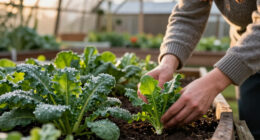
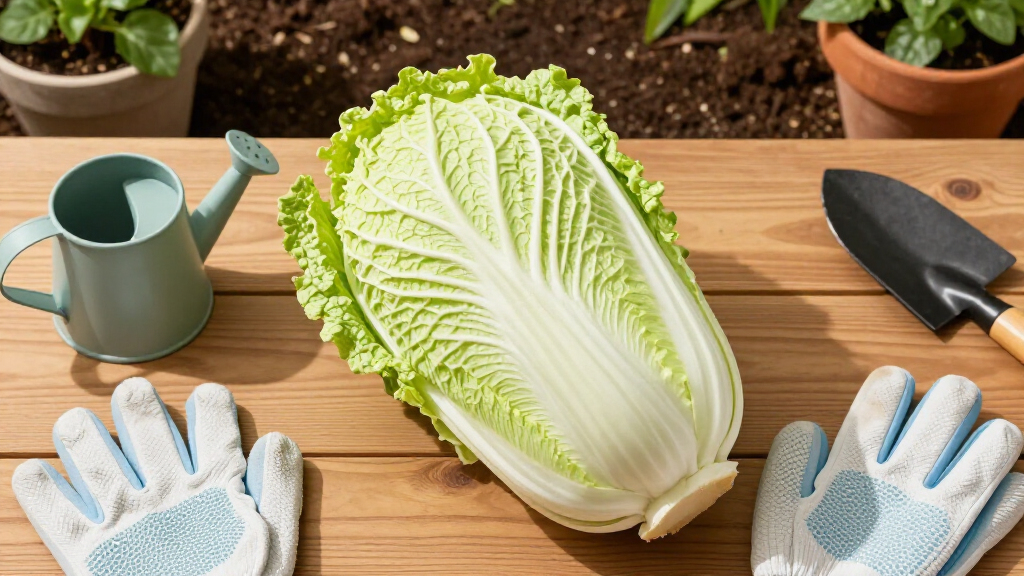
According to horticultural sources, napa cabbage is a cool-season crop that thrives in temperate climates. It is characterized by its elongated, pale green leaves and crisp texture. Recent cultivation guides emphasize soil preparation, with well-drained, fertile soil enriched with organic matter being ideal for optimal growth.
Farmers and gardeners are adopting specific practices such as crop rotation and pest management to improve yields. It is confirmed that napa cabbage can be successfully grown in various regions, provided temperature ranges between 55°F and 75°F are maintained during key growth stages. Recent surveys suggest that planting schedules are shifting earlier in the season to meet market demands.
While the crop is generally resilient, recent reports note that pests such as aphids and cabbage worms remain common challenges. The use of integrated pest management strategies, including natural predators and organic pesticides, is being recommended by agricultural extension services.
Why Increasing Napa Cabbage Cultivation Matters for Growers
The rising interest in napa cabbage cultivation reflects its growing market demand, especially in Asian cuisine and health-conscious markets. For farmers, expanding napa cabbage production can diversify income streams and reduce reliance on other crops. For home gardeners, it offers a nutritious, easy-to-grow vegetable with multiple culinary uses.
Moreover, the crop’s adaptability to various growing conditions and its relatively short growing cycle make it an attractive option in sustainable farming practices. The trend aligns with increased consumer interest in fresh, locally-grown produce, which can support local economies and reduce supply chain dependencies.
As an affiliate, we earn on qualifying purchases.
Recent Trends and Agricultural Practices in Napa Cabbage Farming
Over the past few years, there has been a notable increase in napa cabbage planting in regions such as California, the Pacific Northwest, and parts of East Asia. This rise is partly driven by consumer demand for Asian-style salads and fermented products like kimchi, which require fresh napa cabbage.
Recent farming guides highlight improvements in seed varieties that are more resistant to pests and adaptable to different climates. The crop’s popularity surged during the COVID-19 pandemic as more consumers turned to home gardening, and this trend continues today.
Experts also note that recent research focuses on sustainable practices, including organic fertilization and water-efficient irrigation systems, to support larger-scale cultivation while minimizing environmental impact.
Unconfirmed Aspects of Napa Cabbage Cultivation Trends
While current reports highlight increased planting, it remains unclear how widespread the adoption of new pest-resistant seed varieties is across different regions. Additionally, the long-term sustainability of large-scale napa cabbage farming under changing climate conditions is still being studied. Market prices and consumer preferences could also influence future planting decisions, but concrete data on these factors are not yet available.
Next Steps in Expanding Napa Cabbage Cultivation and Research
Agricultural researchers are expected to release more data on pest management and crop resilience in the coming months. Farmers and gardeners are encouraged to follow updated guidelines from local extension services to optimize yields. Monitoring market trends will also be crucial as demand for napa cabbage continues to grow, potentially prompting further expansion and innovation in cultivation techniques.
Key Questions
What are the best conditions for growing napa cabbage?
Napa cabbage prefers cool, moist conditions with well-drained, fertile soil. Ideal temperatures range between 55°F and 75°F, and it benefits from partial shade in warmer climates.
How long does it take to grow napa cabbage?
Typically, napa cabbage takes about 70 to 90 days from planting to harvest, depending on the variety and growing conditions.
What pests commonly affect napa cabbage?
Common pests include aphids, cabbage worms, and flea beetles. Integrated pest management strategies are recommended to control these pests effectively.
Can napa cabbage be grown organically?
Yes, napa cabbage can be grown organically using organic fertilizers and natural pest control methods. Proper crop rotation and soil health practices enhance organic production.
Is napa cabbage suitable for small home gardens?
Absolutely. Napa cabbage is well-suited for home gardens due to its short growing cycle and high yield potential in small spaces.
Source: rss
Fall yard work Picks
leaf blowers
As an affiliate, we earn on qualifying purchases.