TL;DR

Get garden gear delivered free with Prime
- Fast, free delivery on millions of items
- Prime Video, Amazon Music and more included
- Member-only deals all year
Search interest in powdery mildew spikes in September, driven by concerns about white leaves on plants. Experts confirm it is a common fungal disease, but severity varies. This matters for gardeners and landscapers managing plant health.
Recent online search trends reveal a spike in questions about leaves turning white on garden plants, with many wondering if they should worry about powdery mildew. Experts confirm that powdery mildew is a common fungal disease that causes a white, powdery coating on leaves and stems, but its severity and impact vary. This surge in concern highlights the need for clear information on what this disease is, how to identify it, and whether it poses a threat to plant health.
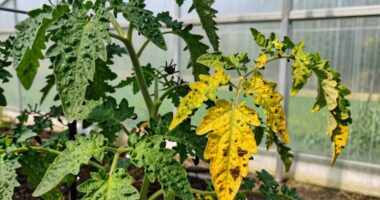
Powdery mildew is caused by various fungal species that infect a broad range of plants, including vegetables, flowers, and trees. It is characterized by a white or grayish powdery substance on the surface of leaves, stems, and buds. According to plant pathologists, the disease tends to thrive in warm, dry conditions with high humidity, especially during late summer and early fall. While it can impair photosynthesis, leading to leaf distortion, stunted growth, and reduced yields, it rarely kills mature, healthy plants if managed properly.
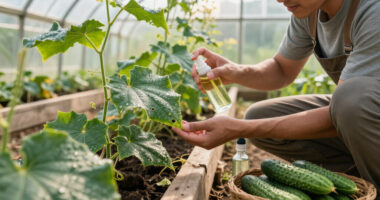
Recent online activity indicates that many gardeners are noticing white patches on their plants’ leaves and are concerned about whether this is a serious threat. Experts clarify that powdery mildew is a widespread issue that can be controlled with timely interventions, such as fungicide applications, improved air circulation, and removing infected plant material. However, they also emphasize that not all white patches are necessarily powdery mildew, and proper identification is crucial for effective treatment.
Implications for Gardeners and Plant Care
This increased interest underscores the importance of understanding powdery mildew’s impact on plant health and productivity. While it is generally manageable, untreated infections can weaken plants over time, making them more susceptible to other stresses and pests. For commercial growers and home gardeners alike, early detection and intervention can prevent significant damage, saving time and resources. The current trend suggests that more people are seeking guidance on identifying and controlling this disease, which could lead to better plant health outcomes across communities.
powdery mildew fungicide for plants
As an affiliate, we earn on qualifying purchases.
As an affiliate, we earn on qualifying purchases.
Rise in Search Interest and Disease Awareness
The current spike in online searches about white leaves and powdery mildew appears to be driven by seasonal changes and increased gardening activity in late summer and early fall. Historically, powdery mildew outbreaks tend to peak during this period, prompting more questions from gardeners. Although the exact trigger for the recent surge remains unconfirmed, it coincides with ongoing discussions about plant health and disease management in the gardening community. Experts note that climate conditions this year may favor fungal development, contributing to the heightened concern.
Unconfirmed Factors Behind the Search Spike
It is not yet clear what specific event or development triggered the recent increase in online interest about powdery mildew. The exact causes of the surge—whether seasonal, climatic, or media-driven—remain unverified, and ongoing monitoring is needed to clarify these factors.Expected Developments in Disease Management and Awareness
Experts anticipate continued interest in identifying and managing powdery mildew throughout the fall season. Further guidance from plant health authorities and updates on effective treatments are likely to be shared via gardening platforms and extension services. Monitoring weather patterns and plant health reports will help predict future outbreaks, while ongoing research may provide new solutions for prevention and control.
Key Questions
Is powdery mildew dangerous to my plants?
While it can weaken plants and reduce growth, powdery mildew is rarely fatal if managed early. Proper identification and treatment are essential to prevent long-term damage.
How can I tell if my plant has powdery mildew?
Look for a white or grayish powdery coating on leaves, stems, and buds. The affected areas may become distorted or yellowed. Confirm diagnosis with a local extension agent if unsure.
What are the best ways to control powdery mildew?
Improve air circulation around plants, remove infected leaves, and apply fungicides if necessary. Using resistant plant varieties and avoiding overhead watering can also help prevent outbreaks.
Does weather affect powdery mildew development?
Yes, warm, dry conditions with high humidity favor fungal growth. Monitoring weather patterns can help predict and prevent outbreaks.
Should I be worried about powdery mildew this fall?
While common, it is manageable with proper care. Stay vigilant, especially during peak seasons, and seek guidance if you notice symptoms.
Source: rss
Halloween Picks
halloween
As an affiliate, we earn on qualifying purchases.