
TL;DR

Get garden gear delivered free with Prime
- Fast, free delivery on millions of items
- Prime Video, Amazon Music and more included
- Member-only deals all year
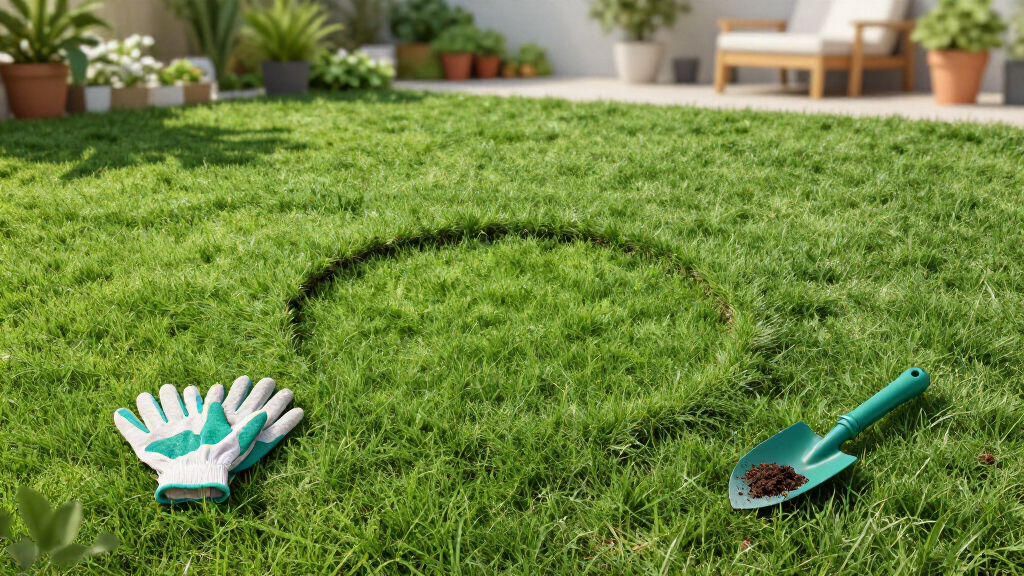
A small hole in the lawn might be a yellowjacket nest, which can pose a risk to homeowners. Experts advise caution and proper identification before taking action.
A small, seemingly innocuous hole in your lawn could be a yellowjacket nest, posing potential risks to residents. Experts warn that such nests often go unnoticed until disturbed, making identification and cautious handling essential for safety.
Yellowjackets are aggressive wasps that build underground nests, often near lawns, gardens, or other grassy areas. When a tiny hole appears, it may be a sign of a hidden colony, especially if it’s accompanied by increased insect activity or buzzing sounds. According to entomologists, these nests can contain hundreds to thousands of wasps, and disturbing them can provoke stings.
Homeowners are advised to avoid approaching or digging near the hole. If a nest is suspected, professionals recommend contacting pest control experts for safe removal. The presence of yellowjackets is more common during late summer and early fall, coinciding with their peak activity period.
While some claims suggest that any small hole could be a yellowjacket nest, experts emphasize that proper identification is crucial, as other insects or animals may create similar holes. Misidentification could lead to unnecessary or dangerous interventions.
Identifying and safely managing yellowjacket nests is critical because these insects can sting multiple times, and their stings can cause allergic reactions in some individuals. Unhandled nests pose a risk of aggressive attacks if disturbed, especially during late summer. Proper awareness and prompt action can prevent injuries and reduce the likelihood of dangerous encounters.
As an affiliate, we earn on qualifying purchases.
Understanding Yellowjacket Behavior and Nesting Habits
Yellowjackets are social wasps that often build underground nests, particularly in lawns, under shrubs, or near compost piles. These nests become active in late spring and summer, with worker wasps foraging for food and defending their colony aggressively. Historically, reports of hidden nests increase during warm months when the insects are most active. Misidentification of small holes as other insects or animals has led to accidental disturbances, sometimes with dangerous outcomes.
“A tiny hole in your lawn can be a sign of a significant yellowjacket colony. It’s important to identify it correctly and avoid disturbing it to prevent stings.”
— Dr. Emily Carter, Entomologist
Uncertainties Surrounding Identification and Risks
It remains unclear how often small lawn holes are accurately identified as yellowjacket nests versus other causes such as moles, other insects, or animals. Additionally, the exact number of stings or injuries caused by unrecognized nests during peak season is not well documented. Further research is needed to determine the prevalence of these hidden nests and the most effective public education strategies.
Homeowners should inspect suspicious holes cautiously, avoid disturbing them, and contact licensed pest control professionals for assessment and removal if necessary. Local authorities and pest management agencies are expected to increase public awareness campaigns during peak activity months. Ongoing research aims to better understand yellowjacket nesting patterns and improve safety guidelines.
Key Questions
How can I tell if a small hole in my lawn is a yellowjacket nest?
Look for signs such as increased insect activity, buzzing sounds, or a hole with a small mound of soil nearby. However, proper identification by a professional is recommended before taking any action.
What should I do if I find a suspected yellowjacket nest in my yard?
Keep a safe distance, avoid disturbing the hole, and contact a licensed pest control service for safe removal. Do not attempt to remove or destroy the nest yourself.
Are yellowjacket stings dangerous?
Yellowjacket stings can be painful and may cause allergic reactions in some individuals. Multiple stings can be dangerous, especially for allergy sufferers, so caution is advised.
When is the peak season for yellowjacket activity?
Yellowjackets are most active during late summer and early fall, when their colonies reach maximum size.
Can I prevent yellowjacket nests from forming in my yard?
Reducing attractants such as sugary drinks, open food containers, and securing trash cans can help. Regularly inspecting your yard for signs of nests can also aid early detection.
Source: rss
Fall Picks
fall essentials
As an affiliate, we earn on qualifying purchases.