
TL;DR

Get garden gear delivered free with Prime
- Fast, free delivery on millions of items
- Prime Video, Amazon Music and more included
- Member-only deals all year
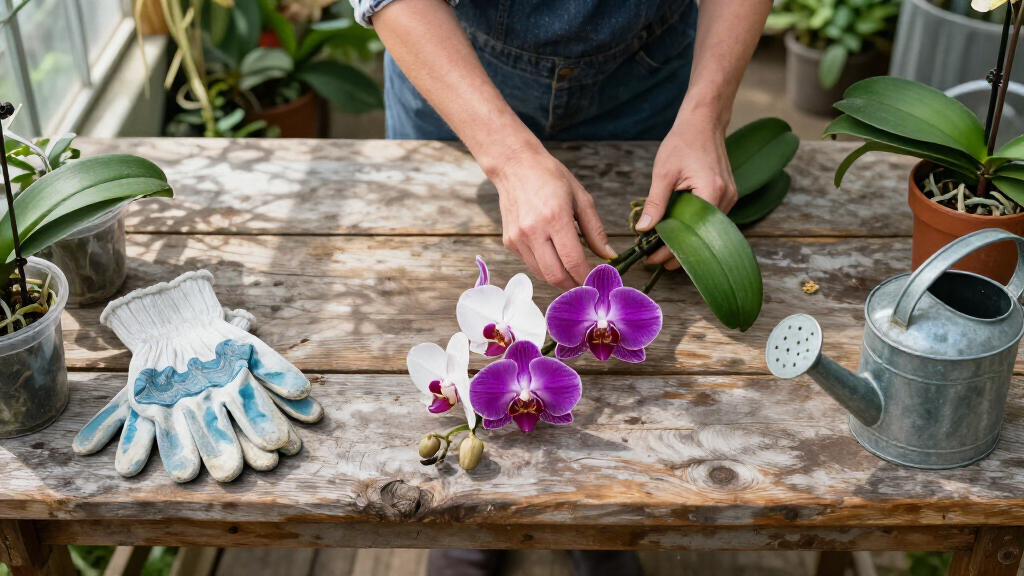
Orchid growers are advised to perform six specific tasks this September to promote healthy flowering. These actions influence whether orchids bloom this winter, according to gardening experts.
Gardening experts recommend performing six specific tasks this September to ensure orchids bloom successfully this winter. These include tasks like fertilization and repotting, which are detailed in our Christmas Cactus care guide. These steps are crucial for orchid health and flowering potential, making September a key month for growers aiming for vibrant blooms.
According to horticultural sources, September is a critical period for orchid care as it sets the stage for winter flowering. For specific care tips, see what orchids need in August. The six tasks include adjusting watering routines, providing proper fertilization, ensuring adequate light exposure, maintaining appropriate temperature levels, repotting if necessary, and monitoring for pests and diseases. These actions are confirmed to influence the plant’s ability to produce flowers in the upcoming months.
Experts highlight that neglecting these tasks can lead to poor flowering or even orchid decline. For instance, overwatering or insufficient light can stress the plant, reducing flowering potential, while proper fertilization and repotting can stimulate healthy growth. The emphasis on these tasks is based on established horticultural principles, although specific timing and methods may vary among orchid types.
While these recommendations are widely accepted, some details, such as optimal fertilization schedules or the precise timing for repotting, may differ depending on orchid species and local climate conditions. Gardeners are advised to tailor these tasks to their specific plants and environment.
Why September Care Is Critical for Orchid Blooms
Performing these six tasks in September can significantly increase the likelihood of orchids flowering this winter, which is a key goal for many enthusiasts. Proper care during this month supports the plant’s overall health, resilience, and flowering cycle. For commercial growers, timely execution of these steps can impact market availability of flowering orchids during the holiday season.
Failing to address these needs may result in weak or absent blooms, which can be disappointing for hobbyists and professionals alike. As orchids are often valued for their long-lasting and striking flowers, understanding and implementing September care routines is vital for achieving optimal results.
As an affiliate, we earn on qualifying purchases.
September as a Pivotal Month in Orchid Cultivation
Orchids require specific conditions to flower, including appropriate light, temperature, and nutrition. September marks a transitional period where growers shift from summer to fall care routines. Historically, successful flowering is linked to careful management during this time, with many growers emphasizing the importance of adjusting watering and fertilization schedules.
While the exact timing and procedures can vary among orchid species, the consensus is that September is a critical window for setting the stage for winter blooms. This advice is rooted in long-standing horticultural practices, although recent interest in orchid cultivation has led to increased coverage and discussion among enthusiasts.
Current trends indicate rising interest in optimizing orchid care, driven by social media and gardening communities sharing successful strategies. However, the specific impact of these six tasks on flowering success remains based on general horticultural knowledge rather than new scientific studies.
Unconfirmed Details on Specific Care Techniques
While the six tasks are broadly recommended, specific methods, such as exact fertilization schedules or ideal repotting timing, are not universally standardized and may vary depending on orchid species and local climate. There is also no definitive scientific study confirming the direct causality between these tasks and flowering success, though they are based on established horticultural principles.
Next Steps for Orchid Enthusiasts in September
Growers should implement these six tasks throughout September, adjusting practices based on their orchid species and environment. Monitoring plant response and making incremental adjustments are advised. As the month progresses, gardeners should also prepare for the upcoming flowering season by planning for additional care, such as adjusting light exposure and temperature controls as needed.
In late September or early October, reassessment of plant health and readiness for flowering will help optimize results. Experts recommend documenting care routines to refine practices for future seasons.
Key Questions
Why is September considered critical for orchid flowering?
September is a transitional month where key care routines set the foundation for healthy growth and flowering during winter. Proper attention now influences the orchid’s ability to produce flowers later.
What are the most important tasks to focus on in September?
Adjusting watering routines, providing appropriate fertilization, ensuring sufficient light, maintaining proper temperatures, repotting if needed, and monitoring for pests are the six key tasks.
Can neglecting September care affect my orchid’s flowering?
Yes, neglecting these tasks can lead to weak growth or absence of flowers, reducing the plant’s aesthetic and commercial value.
Are these recommendations the same for all orchid types?
No, specific care may vary depending on orchid species and local climate conditions. Growers should tailor routines accordingly.
Is there scientific evidence supporting these September tasks?
While based on established horticultural principles, there is no definitive scientific study directly linking these specific tasks to flowering success. They are widely recommended by experts.
Source: rss
Fall yard work Picks
leaf blowers
As an affiliate, we earn on qualifying purchases.