TL;DR

Get garden gear delivered free with Prime
- Fast, free delivery on millions of items
- Prime Video, Amazon Music and more included
- Member-only deals all year
Many gardeners notice their tomato plants produce flowers without setting fruit. This article explains the causes, confirms effective solutions, and offers guidance to maximize harvest before the season ends.
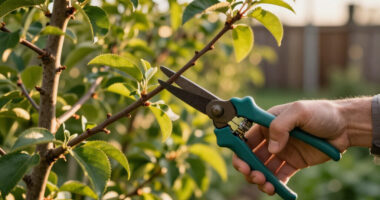
Many home gardeners and commercial growers are seeing their tomato plants produce flowers but no fruit. This common problem is confirmed by horticultural experts and can significantly impact harvest yields if not addressed promptly, especially as the growing season nears its end. Learning how to prune tomatoes properly can help improve fruit production.
Multiple factors contribute to tomato plants flowering without setting fruit, including environmental stresses, improper watering, temperature extremes, and nutrient imbalances. For more detailed guidance, see how to prune tomatoes for healthier plants.
Gardening experts recommend several immediate actions: maintaining consistent watering to avoid stress, providing adequate nutrients—especially calcium and potassium—and ensuring proper pollination. For example, hand-pollinating flowers with a small brush can help if natural pollination is insufficient. Additionally, adjusting environmental conditions, such as shading plants during heatwaves or protecting them from cold snaps, can improve fruit set.
Recent observations indicate that many gardeners are facing this issue as daytime temperatures fluctuate or as plants become stressed by irregular watering. To optimize your tomato plants’ health, consider pruning techniques for tomatoes.
Impacts of Flowering Without Fruit on Tomato Harvests
This problem can cause significant reductions in tomato yields, especially for those relying on homegrown produce or small-scale farming. Understanding and addressing the causes now can help maximize remaining harvest potential before the season ends. If uncorrected, plants may continue to produce flowers that never mature into fruit, wasting plant energy and reducing overall productivity.
For commercial growers, this issue affects profitability; for home gardeners, it can be disappointing after months of effort. Recognizing the problem early and implementing solutions can make the difference between a bountiful harvest and a failed season.
As an affiliate, we earn on qualifying purchases.
Common Causes of Flowering but No Fruit in Tomatoes
Tomato plants naturally produce flowers as part of their reproductive cycle, but fruit development depends on successful pollination and optimal growing conditions. Several factors can interfere with this process. High daytime temperatures above 85°F (29°C) or low temperatures below 55°F (13°C) can inhibit pollen viability, leading to poor fruit set. Similarly, irregular watering causes stress, resulting in blossom drop. Nutrient deficiencies, especially calcium and potassium, also impair fruit development.
Historically, gardeners have observed this issue during late summer and early fall, when temperature fluctuations are common. Environmental stresses combined with pests or diseases can further exacerbate the problem. Expert advice emphasizes that timely intervention is crucial to salvage the crop and improve fruit set before the end of the growing season.
Recent reports from gardening forums and extension services confirm that this is a widespread issue, with many growers seeking guidance on how to improve fruit production during this critical period.
Uncertainties About Long-Term Solutions and Weather Impact
While immediate interventions can improve fruit set, it is still unclear how much longer the season will favor tomato development in various regions. The impact of unpredictable weather patterns, such as late-season heatwaves or cold snaps, remains uncertain. Additionally, the effectiveness of certain remedies may vary depending on local conditions and plant varieties. Researchers are continuing to study the precise thresholds and best practices for different climates, but definitive long-term solutions are still under investigation.
Next Steps for Gardeners and Growers
Gardeners should assess their plants’ conditions, adjust watering and fertilization routines, and consider hand-pollination if natural pollination is insufficient. Monitoring weather forecasts and providing environmental protections can also help. Experts recommend acting promptly to maximize fruit production before the season ends. For those in regions with unpredictable weather, planning for next season by selecting heat-tolerant varieties or improving microclimates may prevent similar issues.
Extension services and horticultural advisors will continue providing region-specific guidance, and ongoing research aims to refine best practices for fruit set under varying weather conditions.
Key Questions
Why are my tomato plants flowering but not producing fruit?
This typically results from environmental stresses such as temperature extremes, irregular watering, or nutrient deficiencies that interfere with pollination and fruit development.
What can I do now to improve fruit set?
Maintain consistent watering, ensure proper fertilization, protect plants from extreme heat or cold, and consider hand-pollinating flowers to increase fruit production.
Will the season still produce a good harvest?
It depends on local conditions and how quickly you can implement corrective measures. Acting now can help maximize your remaining harvest before the season ends.
Are certain tomato varieties more resistant to flowering issues?
Yes, some heat-tolerant or disease-resistant varieties are less prone to flowering without fruit, especially in challenging weather conditions.
When should I start planning for next season?
Begin in late summer or early fall by selecting resilient varieties, improving microclimates, and adjusting cultural practices to prevent similar problems next year.
Source: rss
Halloween Picks
halloween
As an affiliate, we earn on qualifying purchases.