TL;DR

Get garden gear delivered free with Prime
- Fast, free delivery on millions of items
- Prime Video, Amazon Music and more included
- Member-only deals all year
Experts recommend specific pruning techniques to improve tomato plant health and increase yields. This advice is based on established horticultural practices but may vary depending on plant variety and local conditions. Readers can apply these tips to enhance their gardening results.
Horticultural experts advise gardeners to adopt specific pruning techniques for tomatoes to promote healthier plants and achieve larger harvests. These practices are based on established gardening principles and are widely recommended by plant specialists to improve airflow, reduce disease, and increase fruit production.
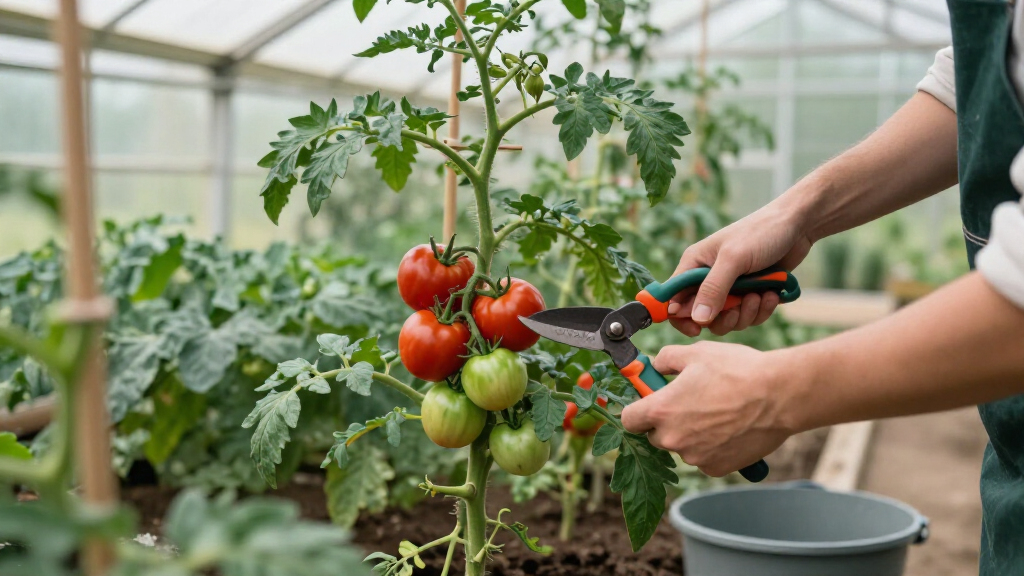
According to certified horticulturists, the most effective pruning approach involves removing suckers—small shoots that develop in the leaf axils—once they are about 2-4 inches long. This method helps direct the plant’s energy toward fruit development rather than excessive foliage. Experts also recommend pruning the lower leaves to improve airflow and prevent fungal diseases, especially in humid climates.
Timing is critical: pruning should be done when plants are young but established enough to withstand some stress, typically around the early flowering stage. Using clean, sharp tools is emphasized to prevent disease transmission. While some gardeners prune heavily, experts caution against over-pruning, which can stress the plant and reduce yields. Instead, a balanced approach tailored to the specific tomato variety is advised.
Why Proper Tomato Pruning Can Boost Your Garden’s Productivity
Effective pruning directly impacts tomato plant health by reducing disease risk and improving airflow, which is especially important in humid or rainy regions. Proper techniques can lead to larger, more flavorful fruits and a higher overall yield, making gardening efforts more rewarding. For commercial growers and home gardeners alike, adopting these practices can maximize harvests with minimal additional effort.
garden pruning shears for tomatoes
As an affiliate, we earn on qualifying purchases.
As an affiliate, we earn on qualifying purchases.
Established Gardening Practices Backed by Experts
Pruning tomatoes has long been a recommended practice among horticulturists, with guidelines evolving based on plant science research. Historically, pruning was primarily aimed at preventing diseases and managing plant size, but recent studies emphasize its role in increasing fruit size and yield. Different tomato varieties—determinate and indeterminate—may require tailored pruning strategies, with indeterminate types benefiting more from regular sucker removal.
Current advice consolidates traditional knowledge with new research, emphasizing the importance of timing, technique, and tools. While some gardeners have experimented with minimal pruning, most experts agree that strategic pruning enhances plant performance.
“Removing suckers early in the plant’s development can significantly improve airflow and reduce disease, leading to healthier plants and bigger fruits.”
— Dr. Emily Carter, horticultural scientist
What Aspects of Tomato Pruning Are Still Under Study
While general pruning guidelines are well-established, questions remain about the optimal frequency and extent of pruning for different tomato varieties and growing conditions. There is also ongoing research into how pruning impacts long-term plant health and fruit quality, especially in organic and sustainable gardening systems. Additionally, some claims about pruning’s effects on flavor and nutrient content are still being explored and lack definitive scientific consensus.
Future Research and Practical Trials in Tomato Pruning
Researchers plan to conduct comparative studies on pruning intensities across various tomato types and climates to refine recommendations. Gardeners are encouraged to monitor their plants and adjust pruning practices based on observed results. Extension services and horticultural organizations are expected to release updated guidelines as new evidence emerges, helping gardeners optimize their practices.
Key Questions
When is the best time to prune tomato plants?
The best time to prune is when the plant is established and about the early flowering stage, typically a few weeks after planting, to balance stress and growth benefits.
How do I identify suckers on my tomato plants?
Suckers are small shoots that develop in the leaf axil—where the leaf stem meets the main stem. They are usually about 2-4 inches long when best removed.
Can I prune all types of tomatoes the same way?
No, pruning strategies vary between determinate and indeterminate varieties. Indeterminate types generally benefit more from regular sucker removal.
Does pruning affect the flavor of the tomatoes?
Current evidence suggests pruning can influence fruit size and yield, but its direct effect on flavor is still under investigation and not definitively established.
What tools should I use for pruning?
Use clean, sharp pruning shears or scissors to make precise cuts and reduce the risk of disease transmission.
Source: rss
Halloween Picks
halloween
As an affiliate, we earn on qualifying purchases.