TL;DR
A severe heatwave is forecast to persist for approximately one week. Gardeners are advised to take protective measures to safeguard their plants from heat stress and drought conditions.
The current heatwave is expected to persist for approximately **seven days**, according to meteorological forecasts. This prolonged period of high temperatures poses risks to garden plants, prompting experts to recommend specific protective actions to prevent damage.
Weather agencies, including the National Weather Service, have confirmed that the heatwave will continue until late next week, with daytime temperatures reaching into the high 30s and low 40s Celsius in many regions. This sustained heat can cause stress, dehydration, and damage to garden plants if proper precautions are not taken.
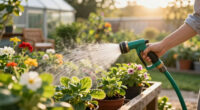
Gardening experts advise watering plants early in the morning or late in the evening to minimize evaporation and ensure deep soil moisture. Mulching around plants can help retain soil moisture and keep roots cool. Additionally, shading delicate plants with cloths or shade nets is recommended during peak heat hours. Gardeners are also advised to monitor for signs of heat stress, such as wilting or leaf scorch, and to reduce fertilizer use during this period to prevent further stress.
Why Prolonged Heatwaves Pose Risks to Gardens
The extended heatwave can significantly impact garden health, leading to wilting, leaf scorch, and even plant death if protective measures are not followed. This period also increases water demand, stressing local water resources and forcing gardeners to adapt their watering routines. Understanding these risks helps gardeners prevent losses and maintain healthy plants during extreme weather events.

Cool Area Sun Shade Cloth Shade Net for Garden, 55% 6.5x10ft, Black
- Long-lasting Material: Tear resistant and high temperature resistant
- Easy Installation: Special woven hole design for convenience
- Optimal Sun and UV Block: Blocks 55% of sunlight and UV rays
As an affiliate, we earn on qualifying purchases.
As an affiliate, we earn on qualifying purchases.
Recent Weather Patterns and Historical Heatwaves
This heatwave follows a series of unusually hot days recorded across multiple regions, with temperatures surpassing seasonal averages by several degrees. Historically, prolonged heatwaves have caused widespread damage to crops and gardens, especially when accompanied by drought conditions. Experts note that climate change has increased the frequency and intensity of such events, making preparedness more critical than ever.
“Gardeners should prioritize watering early and mulching to protect plants from the intense heat. These simple steps can make a big difference in plant survival.”
— Jane Smith, horticulturist at GreenGrow Gardens
Uncertainties About the Exact Duration and Intensity
While forecasts predict the heatwave will last about a week, exact temperatures and the intensity of heat stress on specific regions remain uncertain due to variable weather patterns. Local microclimates may experience slightly different conditions, and sudden changes in weather could alter the forecast.
Monitoring Weather Updates and Adjusting Garden Care
Gardeners should continue to monitor local weather forecasts for updates and adjust their watering and shading strategies accordingly. As the heatwave progresses, experts may issue additional guidance or warnings to help mitigate damage. After the heatwave ends, assessing plant health and resuming normal watering routines will be important.
Key Questions
How often should I water my garden during this heatwave?
Water early in the morning or late in the evening, ensuring deep watering to reach the roots. During peak heat, watering every 1-2 days may be necessary depending on soil moisture levels.
Can I use shade cloths or umbrellas to protect my plants?
Yes, shading delicate or young plants with cloths or shade nets during the hottest part of the day can help prevent heat stress and leaf scorch.
What signs indicate my plants are suffering from heat stress?
Wilting, leaf scorch, yellowing, or browning edges are common signs of heat stress. If noticed, increase watering and consider providing additional shade.
Will this heatwave affect my vegetable garden’s yield?
Prolonged high temperatures can reduce yields by stressing plants and accelerating growth cycles. Proper watering and shading can help mitigate some of these effects.
What should I do after the heatwave ends?
Assess plant health, resume regular watering, and prune any damaged foliage. Consider applying mulch to retain soil moisture and support recovery.
Source: rss