
TL;DR
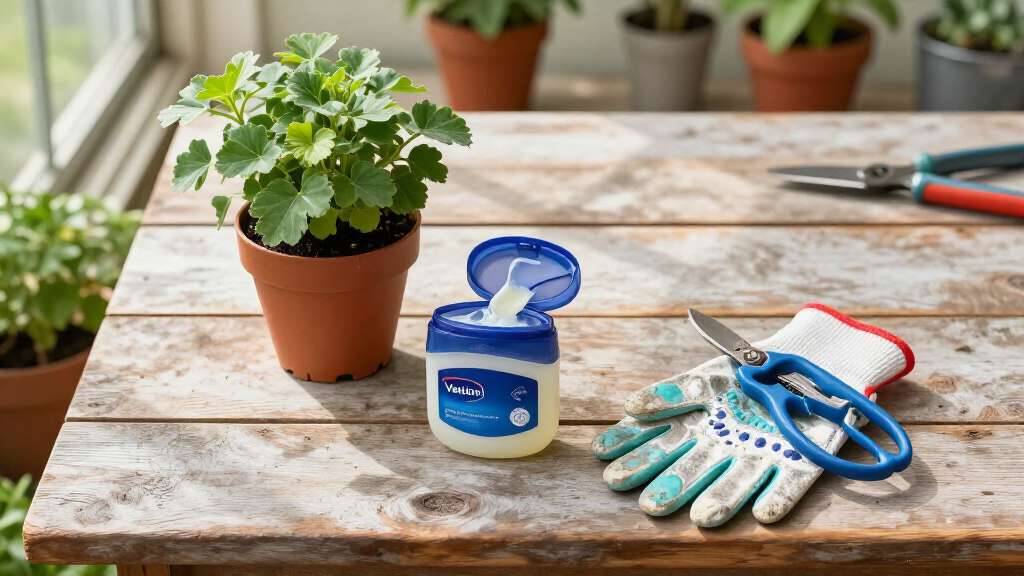
Search interest in using Vaseline to protect houseplants from pests is rising this fall. Experts suggest five easy methods to apply petroleum jelly for pest prevention, though full effectiveness remains unconfirmed.
Growing online curiosity about using Vaseline to protect houseplants from pests has surged this fall, with many garden enthusiasts sharing tips on social media. Although this practice is gaining popularity, it is based on anecdotal advice rather than confirmed scientific studies.
Recent trend signals show a spike in searches and social media posts recommending applying petroleum jelly—commonly known by the brand Vaseline—to houseplants as a pest deterrent during the fall season. Experts note that these tips include five main methods: coating plant stems, sealing soil edges, applying around pot rims, covering leaf veins, and creating physical barriers on vulnerable parts of plants. Do You Know The September Stagger? This Easy Late-Season Pruning Trick Will Transform Your Fall Borders.
While many users report success in reducing pests like aphids, scale insects, and spider mites, there is no formal scientific evidence confirming Vaseline’s efficacy as a pest control method for houseplants. The advice appears to stem from traditional gardening folklore and pest management anecdotes rather than peer-reviewed research.
Plant care specialists caution that improper use—such as excessive coating or applying Vaseline to leaves—could potentially harm plants or interfere with their natural processes. Additionally, the safety of applying petroleum jelly in enclosed indoor environments has not been thoroughly evaluated. For more plant care tips, see What Orchids Need In August To Keep Blooming Through Fall & Winter.
Why This Trend Matters for Indoor Gardeners
This rising interest highlights a desire among indoor gardeners to find simple, accessible pest control solutions during the fall, when pest activity often increases. If effective, Vaseline could offer a low-cost, chemical-free option for pest prevention. However, the lack of scientific validation means gardeners should exercise caution and consider other proven methods alongside or instead of Vaseline.
Understanding whether this trend has practical benefits or risks is important for responsible plant care. If confirmed effective, Vaseline could become a popular tool; if not, gardeners might waste time or inadvertently damage their plants.
Vaseline for houseplant pest control
As an affiliate, we earn on qualifying purchases.
As an affiliate, we earn on qualifying purchases.
Fall Pest Management and the Rise of DIY Solutions
As temperatures drop, many houseplants become more vulnerable to pests seeking shelter indoors. Traditionally, gardeners have used chemical pesticides, but there’s a growing preference for natural or DIY remedies. The trend toward using Vaseline appears to be part of this shift, driven by online communities sharing unconventional pest control tips.
Historically, petroleum jelly has been used in various household applications, but its use in pest management for plants is relatively new and largely anecdotal. The current spike in interest may be linked to broader trends of sustainable gardening and avoiding chemical pesticides, although the scientific basis remains unverified.
Effectiveness and Safety of Vaseline for Pest Control
It is not yet clear whether Vaseline effectively prevents or eliminates pests on houseplants. Scientific studies validating these claims are lacking, and potential plant health impacts are unknown.Monitoring Trends and Conducting Scientific Tests
Researchers and gardening experts may begin testing the effectiveness of Vaseline in controlled settings to validate or disprove current anecdotal claims. Meanwhile, gardeners are advised to use caution, combine methods, and stay updated on scientific guidance for pest management.
As the trend continues, social media and gardening forums will likely provide further anecdotal reports, but definitive scientific recommendations are expected to take time.
Key Questions
Can Vaseline really prevent pests on houseplants?
There is no scientific evidence confirming Vaseline’s effectiveness in pest prevention. Most advice is anecdotal, and results may vary.
Is applying Vaseline safe for my houseplants?
Using Vaseline improperly could potentially harm plants by blocking transpiration or interfering with leaf functions. Use caution and avoid excessive coating.
What are alternative pest control methods for houseplants?
Proven options include insecticidal soap, neem oil, manual removal, and maintaining proper plant health to prevent infestations.
Should I try Vaseline on my plants now?
Given the lack of scientific validation, it is advisable to consult trusted gardening sources and consider safer, proven methods for pest control.
Source: rss