The secret to transforming your greenhouse is smart vent placement. By positioning vents strategically—roof vents high up to release hot air, and side or lower vents for fresh intake—you’ll control temperature, humidity, and airflow naturally. Properly balancing exhaust and intake vents, harnessing wind patterns, and adjusting based on hot or cold spots keep your environment stable. Keep exploring for more tips that help you achieve healthier, thriving plants with less effort.
Key Takeaways
- Proper vent placement near the roof and sidewalls creates effective cross-ventilation, controlling temperature and humidity fluctuations.
- Strategically positioning intake vents low and exhaust vents high harnesses natural airflow for optimal climate regulation.
- Adjusting vent sizes and heights prevents hot spots, humidity buildup, and stagnant air within the greenhouse environment.
- Utilizing prevailing wind directions for vent placement enhances natural ventilation, reducing the need for mechanical systems.
- Regular testing and adjustments of vent locations ensure consistent airflow, maintaining ideal conditions for plant health.
Why Proper Vent Placement Matters for Greenhouse Climate
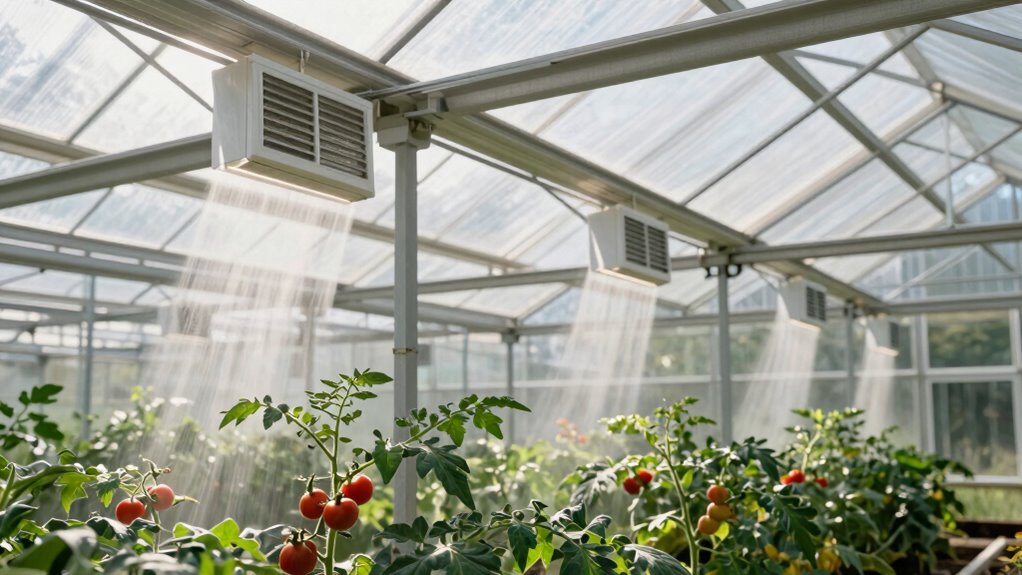
Proper vent placement is essential because it directly influences how effectively your greenhouse maintains a stable and healthy climate. When vents are strategically positioned, you can better control soil moisture levels, preventing excess humidity that promotes mold and root rot. Proper ventilation also helps reduce stagnant air, making it harder for pests to settle and thrive. If vents are poorly placed, humidity can become uneven, leading to dry spots or overly moist areas that upset plant health. A well-designed ventilation system can also improve air circulation, ensuring that fresh air reaches all parts of the greenhouse uniformly. This careful placement helps you manage the greenhouse environment more efficiently, ensuring your plants stay healthy and pests stay at bay. Additionally, using extension cord standards for any electrical equipment in the greenhouse ensures safe and reliable power use, reducing fire hazards and equipment failures. Maintaining proper ventilation can also optimize temperature regulation, further supporting healthy plant growth and climate control.
How Vent Placement Controls Temperature and Humidity

Proper vent placement helps you control your greenhouse’s temperature and humidity more effectively. When vents are strategically located, they manage climate fluctuations, keeping conditions stable for your plants. This setup guarantees ideal growing environments and reduces stress caused by extreme changes. Additionally, climate control techniques can further optimize plant health and growth. Understanding the power capacity of your ventilation system ensures it can handle the necessary airflow to maintain optimal conditions. Incorporating digital content and research can provide innovative solutions for enhancing your greenhouse’s climate management. Properly designed ventilation systems, aligned with building codes and safety practices, are essential for maintaining a safe and efficient environment. Recognizing the importance of proper vent placement is key to achieving consistent climate regulation.
Proper Vent Placement Benefits
Strategically placing vents inside a greenhouse plays a crucial role in maintaining ideal temperature and humidity levels. When vents are correctly positioned, you create a more stable environment that promotes healthy plant growth. Proper vent placement allows for efficient airflow, preventing hot spots and excess moisture that can hinder plants. This controlled airflow also reduces the likelihood of pests, as it helps keep humidity levels low where pests thrive. By ensuring consistent ventilation, you minimize the risk of fungal diseases and other issues that stem from poor air circulation. Additionally, understanding how vent placement impacts plant health can help gardeners optimize their greenhouse conditions. Properly positioned vents also facilitate air exchange, which is essential for removing stale air and introducing fresh, oxygen-rich air. Effective vent placement is a key factor in preventing environmental stress on plants, ensuring they remain resilient and healthy. Proper ventilation strategies also promote energy efficiency, reducing the need for supplemental cooling or heating. Properly managing airflow patterns can significantly enhance the overall climate control within your greenhouse. Ultimately, the right vent placement supports vibrant plant development and simplifies pest control, making your greenhouse more productive and easier to manage overall.
Managing Climate Fluctuations
Effective vent placement is key to managing temperature and humidity fluctuations inside your greenhouse. Properly positioned vents help you control airflow, preventing hot spots and excess moisture. When vents are strategically placed, you can create a steady environment, making soil amendments more effective and reducing pest problems. Imagine a breeze sweeping through, cooling overheated plants, or humidity dropping just enough to prevent mold. This targeted airflow can also help maintain consistent conditions that are crucial for healthy plant development. Proper ventilation can significantly influence the overall climate stability within your greenhouse, ensuring optimal growing conditions. Effective airflow management is essential for creating a balanced environment that supports plant health. Visualize airflow guiding fresh air in and stale air out, maintaining ideal conditions for plant growth. This balance supports healthy roots and improves pest management, as pests thrive in stagnant, humid environments. Additionally, careful vent placement can help mitigate the effects of climate fluctuations on your plants. With well-placed vents, you’ll reduce temperature swings and humidity spikes, resulting in a healthier, more productive greenhouse environment.
Identifying Hot and Cold Spots in Your Greenhouse
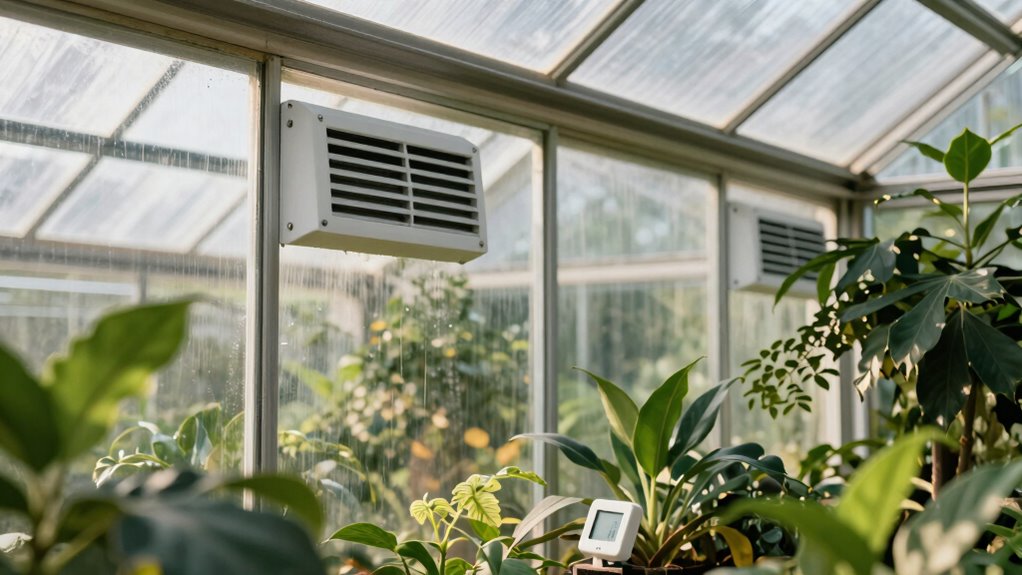
To keep your greenhouse comfortable, you need to spot where heat and cold pockets form. Use a thermometer to detect temperature variations across different areas. Once you identify these spots, you can adjust vent placement to improve airflow and temperature balance. Incorporating customization options in your ventilation setup allows for more precise climate control tailored to your space. Being aware of weather changes can also help you anticipate and respond to unexpected temperature shifts effectively.
Detect Temperature Variations
Have you ever wondered if your greenhouse has areas that are consistently warmer or cooler than others? Detecting temperature variations helps you optimize plant growth and pest control. To identify hot and cold spots, walk through your greenhouse at different times of day and observe the temperature differences. Use a thermometer to take readings in various sections, especially near vents, windows, and corners. Imagine:
- Feeling the warmth radiating from a sun-exposed corner, boosting plant growth there.
- Noticing a chilly zone behind equipment, hindering consistent growth.
- Detecting uneven heat distribution that might encourage pests in certain areas.
Adjust Vent Placement
Once you’ve identified the hot and cold spots in your greenhouse, adjusting vent placement becomes essential for maintaining a consistent temperature. Consider the vent material and aesthetic design to guarantee both functionality and visual appeal. Place vents near hot spots to release excess heat or cold spots to introduce warmth. For example, if hot areas are along the roof, install vents there; if cold zones are near the floor, position vents lower. Use a table to visualize:
| Hot Spot Location | Cold Spot Location |
|---|---|
| Near roof vents | Floor near windows |
| South-facing wall | North-facing wall |
| Central zone | Corner areas |
| Sunny side vents | Shaded areas |
| Above plants | Near soil beds |
Adjusting vent placement based on these insights helps optimize airflow and temperature control. Additionally, implementing sustainable practices in your greenhouse setup can further enhance environmental efficiency and plant health. Incorporating environmental management strategies, such as automated vent systems, can also improve overall climate stability within the greenhouse.
Best Vent Locations for Optimal Airflow and Temperature
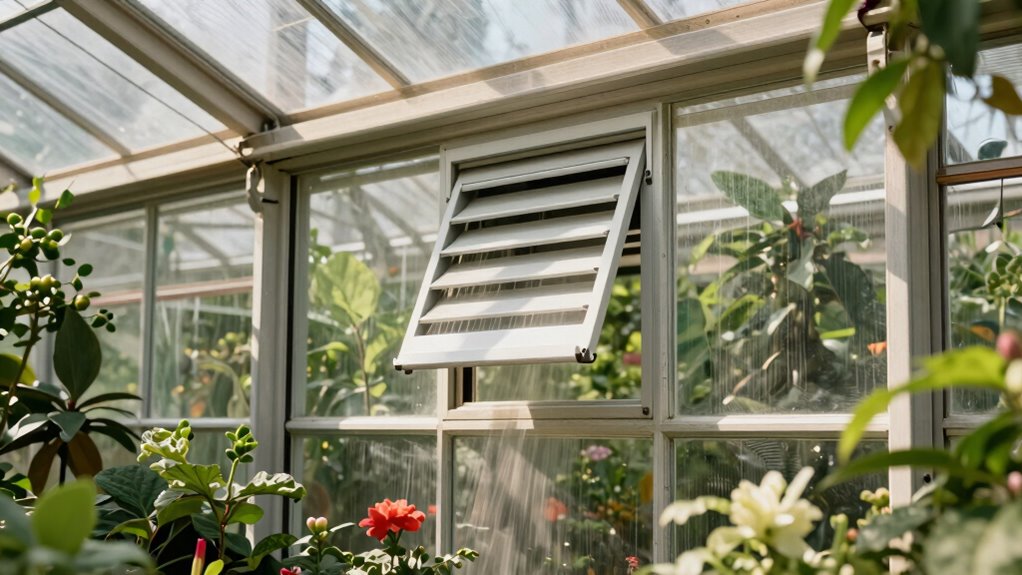
Choosing the right locations for vents inside your greenhouse is essential for maintaining ideal airflow and temperature. Proper placement guarantees fresh air circulates effectively, promoting healthy plant growth and reducing humidity that attracts pests. Position vents near the roof’s peak to encourage hot air to escape, preventing overheating. Place vents lower down on walls to draw in cooler air from outside, creating a steady airflow. Consider balancing intake and exhaust vents to optimize temperature control and air quality. Visualize:
- Vents near the apex of the roof, releasing warm, stale air
- Sidewall vents at plant height for fresh, oxygen-rich air
- Cross-ventilation pathways that sweep through your entire space
This strategic placement helps regulate temperature, enhances plant growth, and reduces pest issues by maintaining a healthy environment. Regularly monitoring auditory processing can also help identify any issues with airflow or environmental control that may affect plant health, especially when combined with vent placement strategies to ensure consistent environmental conditions.
How Vent Height and Size Affect Air Circulation
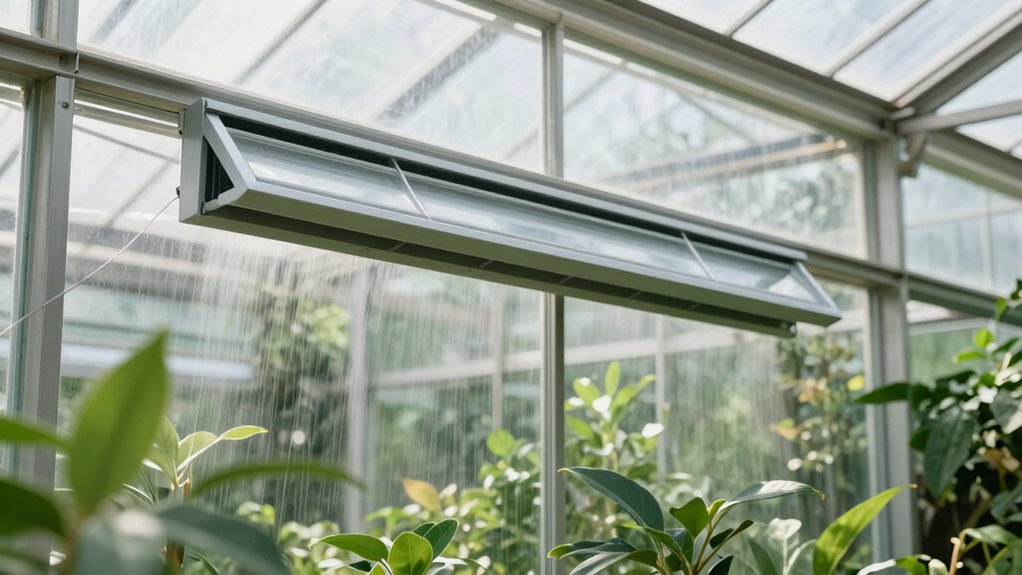
Ever wondered how the height and size of your vents influence airflow inside your greenhouse? The vent size directly impacts air exchange rates; larger vents allow more air to flow in and out, promoting better circulation. Higher vents are effective at exhausting hot, stale air that rises, creating a natural airflow pattern. If vents are too small or placed too low, air exchange becomes limited, leading to poor ventilation and temperature control. Conversely, appropriately sized vents at strategic heights optimize air movement, preventing hot spots and humidity buildup. Proper vent height and size work together to maintain a steady flow of fresh air, ensuring your plants stay healthy and your greenhouse environment remains balanced. Adjusting these factors can dramatically improve your greenhouse’s overall air circulation.
Balancing Intake and Exhaust Vents for Fresh Air

Have you considered how the balance between intake and exhaust vents directly impacts the freshness of your greenhouse air? Proper vent placement ensures continuous air circulation, preventing stale air and excess humidity. When designing your vents, position intake vents lower on the structure to draw in cool, fresh air, while placing exhaust vents higher to expel warm, stale air. Achieving the right balance keeps air moving smoothly and maintains ideal conditions. Imagine:
- Cool, fresh air entering from the bottom, gently pushing out warm, humid air at the top
- A steady flow that prevents pockets of stagnant air
- Consistent air exchange that supports healthy plant growth
Harnessing Local Wind Patterns for Better Ventilation

By understanding the prevailing wind patterns around your greenhouse, you can optimize vent placement to naturally enhance airflow. Recognize how local wind patterns create microclimate zones, where wind speeds and directions vary. Position vents on the sides facing the dominant wind to draw fresh air in, and locate exhaust vents on the leeward side or in areas where wind accelerates, like a wind tunnel effect. This strategic placement ensures continuous, effective ventilation without reliance on mechanical systems. Observing how wind flows around your site helps you identify natural pathways, allowing you to harness existing airflow rather than fight against it. Properly leveraging local wind patterns creates a balanced environment, promoting healthy plant growth and reducing temperature fluctuations inside your greenhouse.
Testing and Adjusting Your Vent Placement Effectively
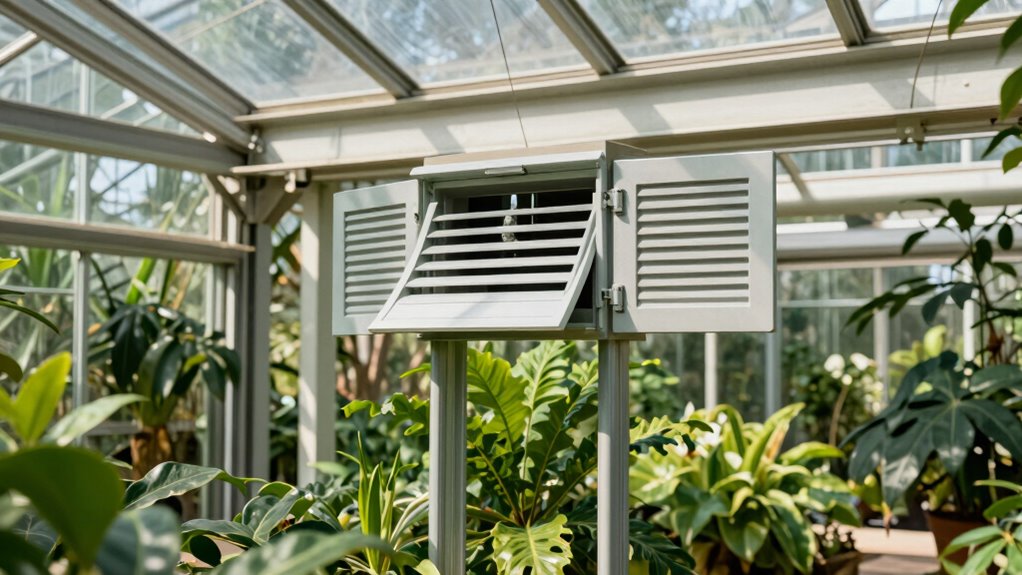
To guarantee your vent placement effectively improves airflow, it’s essential to test and adjust them based on real-world results. Don’t fall for ventilation myths that suggest perfect placement is static; environmental conditions change, so your setup needs to adapt. As you evaluate, observe how air moves through your greenhouse:
- Feel for hot spots or stagnant air pockets that indicate poor airflow.
- Notice if vents open easily without compromising greenhouse aesthetics.
- Watch how temperature and humidity fluctuate during different times of day.
Putting It All Together: Strategies for Healthy Greenhouse Plants

Bringing together your vent placement, airflow adjustments, and environmental monitoring creates an all-encompassing approach to maintaining healthy greenhouse plants. Good airflow reduces humidity levels, preventing plant disease and promoting stronger growth. Consistent monitoring helps you identify issues with soil nutrition early, allowing you to adjust fertilization and prevent deficiencies. Proper ventilation also supports even temperature distribution, reducing stress on plants. Keep an eye on soil moisture and nutrient levels, as imbalances can weaken plants and make them more susceptible to disease. When you coordinate vent placement with airflow and environmental data, you foster an environment where plants thrive. This integrated strategy minimizes problems, boosts growth, and guarantees your greenhouse remains a healthy, productive space.
Frequently Asked Questions
How Often Should I Adjust My Greenhouse Vents During Different Seasons?
You should adjust your greenhouse vents regularly to maintain ideal air circulation and humidity control. During spring and fall, check vents daily, opening them when temperatures rise or humidity increases. In summer, increase ventilation to prevent overheating, while in winter, reduce vent openings to retain warmth. Consistently monitoring conditions ensures healthy plant growth, prevents mold, and keeps humidity levels balanced, making your greenhouse environment perfect year-round.
Can Automated Vent Systems Improve Airflow Consistency?
Automated vent systems with smart sensors revolutionize airflow regulation, ensuring perfect climate control at all times. They can instantly detect temperature and humidity shifts, adjusting vents with lightning speed to prevent overheating or chilling. This level of consistency is impossible manually, making your greenhouse more efficient, healthier, and productive. You’ll save time and effort, while your plants thrive in the ideal environment that only smart sensor technology can provide.
What Signs Indicate Poor Ventilation in My Greenhouse?
If you notice stagnant air, excess humidity, or uneven temperatures, your greenhouse likely has poor ventilation. Signs include mold growth, condensation on windows, or plants showing stress. You might also see weak air circulation causing hotspots or cold spots. Improving ventilation helps regulate humidity and promotes better air circulation, which keeps plants healthy. Address these signs promptly to prevent illnesses and guarantee ideal growing conditions inside your greenhouse.
Are There Specific Vent Designs Suitable for Small vs. Large Greenhouses?
Like tailoring a suit to fit perfectly, choosing vents depends on your greenhouse size. For small greenhouses, consider compact, lightweight vents made from durable materials like polycarbonate that blend seamlessly with aesthetics. Larger greenhouses benefit from robust, automated vents with sturdy materials like aluminum or galvanized steel, providing efficient airflow. Match vent design and material to your greenhouse’s size and style, ensuring the best ventilation while maintaining aesthetic harmony and functionality.
How Does Vent Placement Affect Pest Control Inside the Greenhouse?
Proper vent placement helps reduce pest entry points and minimizes ventilation gaps that pests can exploit. When you position vents strategically, you create a more airtight environment that’s harder for insects and rodents to access. Good placement also promotes consistent airflow, preventing stagnant spots where pests thrive. By sealing ventilation gaps effectively and placing vents thoughtfully, you markedly improve your greenhouse’s pest control, keeping your plants healthier and safer.
Conclusion
By optimizing your vent placement, you can reduce temperature fluctuations by up to 30%, creating a more stable environment for your plants. Proper airflow prevents hot spots and humidity buildup, boosting plant health and yield. Remember, strategic vent positioning isn’t just about airflow; it’s about understanding your greenhouse’s specific needs. Take the time to test and adjust—your plants will thank you with healthier growth and better productivity. Vent smarter, grow better!