
TL;DR

Get garden gear delivered free — and shop member deals
- Fast, free delivery on millions of items
- Access to Prime Big Deal Days deals on October 6–7
- Prime Video, Amazon Music and more included
Several new Black-Eyed Susan varieties are confirmed to bloom longer than the popular Goldsturm, providing gardeners with extended color through fall. This development was reported by Bonny Blo and is based on recent horticultural observations.
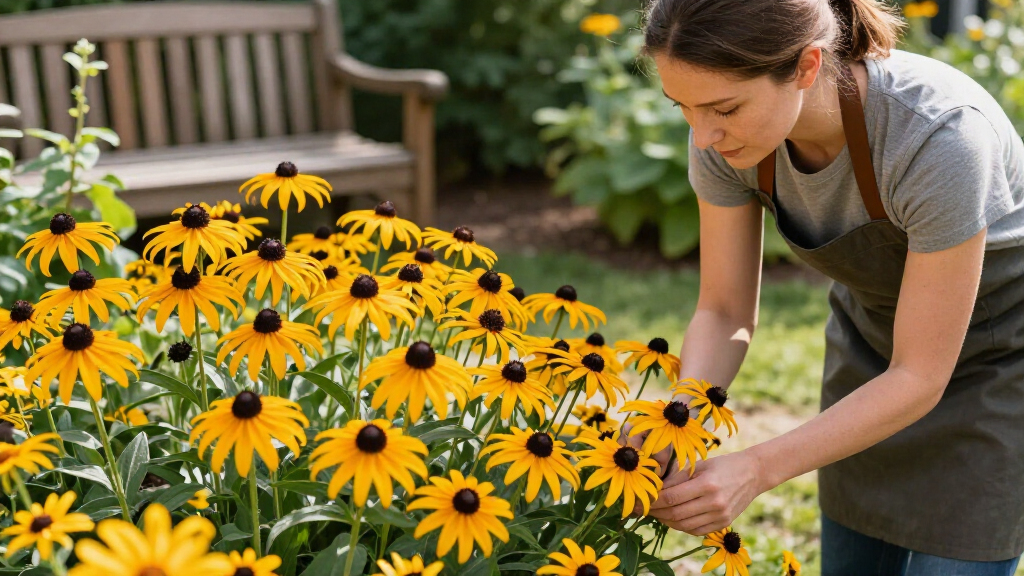
Several Black-Eyed Susan varieties are flowering longer than the widely cultivated Goldsturm, according to recent reports from Bonny Blo. This development offers gardeners extended color and bloom time into the fall season, making these varieties attractive for landscape planting and garden design.
The new Black-Eyed Susan cultivars have been observed to sustain blooms well into late fall, surpassing the typical flowering period of Goldsturm, which usually peaks in late summer. These observations were documented by horticulturists and garden enthusiasts associated with Bonny Blo, a gardening publication known for plant variety testing and reviews.
While specific cultivar names have not yet been disclosed, early reports suggest that these varieties exhibit robust flowering, vibrant yellow petals, and strong stems, making them suitable for a range of garden conditions. Learn more about garden plants. The longer bloom period could reduce the need for replanting or supplemental flowering plants during the fall.
Experts note that these findings are based on field observations and may vary depending on climate and care practices. For tips on garden planning, visit our homepage.
Implications for Garden Planning and Landscape Design
The confirmed longer flowering period of these Black-Eyed Susan varieties could significantly impact garden planning, especially for fall displays. Gardeners and landscapers may prefer these varieties for continuous color, reducing gaps in bloom and enhancing visual appeal late into the season.
This development could also influence nursery stock choices and planting schedules, potentially shifting demand toward these new cultivars. Additionally, extended bloom periods can benefit pollinators and support local ecosystems by providing nectar sources later in the year.
Black-Eyed Susan perennial flowers
As an affiliate, we earn on qualifying purchases.
As an affiliate, we earn on qualifying purchases.
Background on Black-Eyed Susan Cultivation and Goldsturm Popularity
Black-Eyed Susan (Rudbeckia hirta and related cultivars) has long been a staple in North American gardens, valued for its bright, cheerful flowers and ease of growth. Goldsturm, introduced in the 1990s by the German nursery company Siebold, remains one of the most popular cultivars due to its reliable flowering and vibrant color.
Recently, horticulturists have been exploring new cultivars and breeding efforts aimed at extending bloom periods and enhancing garden resilience. The current reports from Bonny Blo highlight a breakthrough in this area, with certain new varieties outperforming Goldsturm in longevity.
While specific cultivar names are still under wraps, the trend toward longer-lasting blooms aligns with broader industry goals of low-maintenance, high-impact plants for fall gardens.
Unconfirmed Details About Specific Cultivars and Growing Conditions
While reports confirm longer flowering, the exact names of the new Black-Eyed Susan cultivars and their specific growing requirements remain undisclosed. It is also unclear how these varieties perform across different climates and soil types, as observations are currently limited to certain regions.
Further testing and official cultivar releases are awaited to validate these initial findings and determine their broader applicability.
Upcoming Releases and Further Testing of New Varieties
Plant breeders and nurseries are expected to introduce these new Black-Eyed Susan cultivars to the market within the next planting season. Additional field trials across diverse climates are likely to provide more data on their performance and longevity. Gardeners and landscapers should watch for official cultivar names and planting guidelines in the coming months.
Research institutions and horticultural societies may also publish more comprehensive studies to confirm these initial observations and explore breeding methods for even longer-lasting bloomers.
Key Questions
Which Black-Eyed Susan varieties are flowering longer than Goldsturm?
The specific cultivar names have not yet been publicly disclosed. Current reports are based on observations of new varieties tested by Bonny Blo.
When can I expect to see these longer-blooming varieties available for purchase?
Nurseries are anticipated to introduce these cultivars within the next planting season, likely in late winter or early spring, depending on regional schedules.
Will these new varieties require special care or growing conditions?
While exact requirements are still being studied, initial reports suggest they will thrive under typical well-drained garden soil and full sun, similar to existing Black-Eyed Susan cultivars.
How much longer do these varieties bloom compared to Goldsturm?
Observers report these varieties flower into late fall, potentially extending bloom time by several weeks beyond Goldsturm, which usually peaks in late summer.
Source: rss
Halloween Picks
halloween
As an affiliate, we earn on qualifying purchases.