
TL;DR

Get garden gear delivered free with Prime
- Fast, free delivery on millions of items
- Prime Video, Amazon Music and more included
- Member-only deals all year
A Homes and Gardens report outlines seven garden practices intended to help wild bees through winter, including retaining leaf litter and avoiding a complete fall cutback. Bee species overwinter in different ways, so the best approach depends on local species and conditions.
A Homes and Gardens report recommends that gardeners make changes to their October cleanup to preserve shelter and nesting sites for wild bees over winter, much like these October steps for supporting backyard birds. The advice, attributed to experts from the U.S. Geological Survey and the Xerces Society for Invertebrate Conservation, includes leaving some leaf litter and plant stems in place rather than clearing every bed.
The report describes two broad overwintering patterns: many solitary bees remain in nests, while bumble bee queens are among the bees that hibernate separately. Sam Droege, a wildlife biologist with the USGS, says species and nesting patterns vary by region, but wild bees nest both above ground and in soil. Matthew Shepherd of the Xerces Society says many solitary bees nest in the ground, while a substantial share use existing tunnels in hollow stems and similar structures.
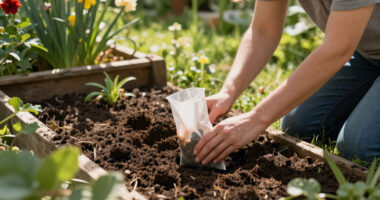
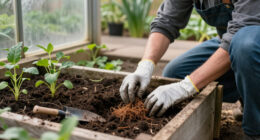
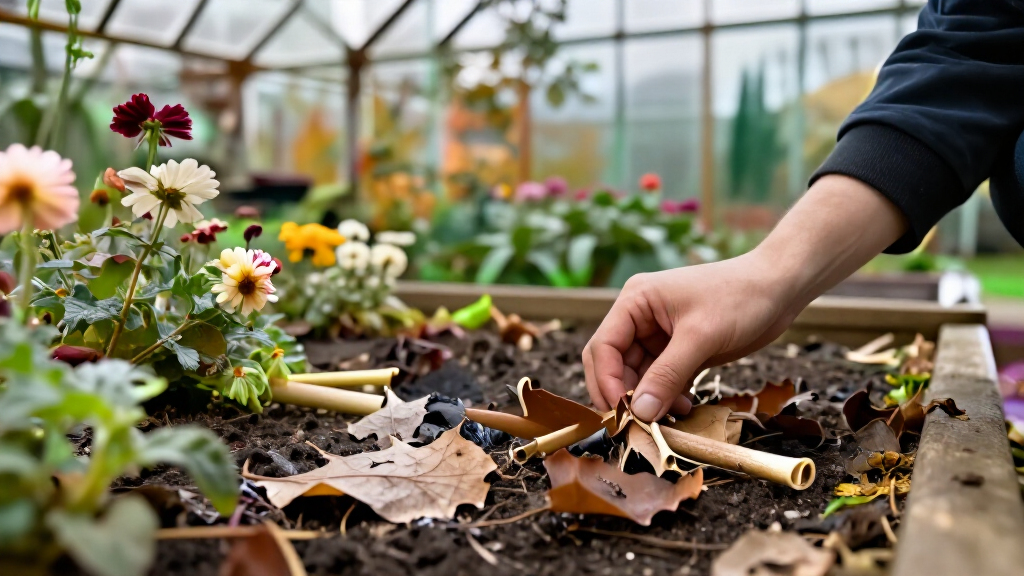
Shepherd recommends keeping leaf litter in suitable areas because it can offer bumble bee queens a place to hibernate, while creating a bird-friendly garden can also support wildlife through winter. The report suggests placing leaves on flower borders, along hedges or in a yard corner, while clearing paths where leaves could cause slips and keeping drains unobstructed; these fall wildlife-supporting practices can complement other seasonal efforts. It also advises reducing intensive fall pruning and deadheading so stems can remain available to tunnel-nesting bees.
The supplied report material includes three of its seven recommendations: retain leaf litter, adapt fall plant cleanup, and avoid composting seed heads and stems. The third recommendation appears only as a heading, without its accompanying explanation. The other four steps are not present in the supplied material, so their details cannot be verified or responsibly filled in here.
Keeping Winter Bee Habitat in Gardens
Fall cleanup can remove the very materials some bees use for shelter or nesting. Leaving selected leaves and stems can preserve those features through winter, while still allowing gardeners to clear areas where debris creates practical problems. The advice matters because it offers low-cost habitat protection that can be combined with ordinary garden maintenance.
The report frames this as support for native wild bees rather than a general appeal to keep honey bees. Its experts describe substantial variation among species and regions, so these measures are habitat-minded practices, not a guarantee that a particular bee species will use a garden.
wild bee habitat preservation garden supplies
As an affiliate, we earn on qualifying purchases.
As an affiliate, we earn on qualifying purchases.
How Different Bees Spend Winter
The report says solitary bees make up the majority of bee species and include mason, leafcutter, long-horned and mining bees. Many develop inside nest cells provisioned by a female; offspring remain there through life stages before emerging the following year. Some species use underground nests, while others occupy existing tunnels in stems or wood.
Bumble bees follow a different cycle, according to Shepherd: most of a colony dies at summer’s end, while new queens enter hibernation underground or in leaf mulch and emerge in late winter or early spring. Droege cautions that patterns differ across the United States’ varied climates and landscapes. The report also quotes him saying solitary bees are generally adapted to defend nests from other insects, unlike honey bees, which defend against mammals.
“No matter where you are a certain proportion of wild bees will be nesting above ground and a larger proportion in the ground somewhere.”
— Sam Droege, USGS wildlife biologist
Limits of the Available Advice
The supplied source excerpt does not include the full list of seven steps, the article’s publication date or supporting details for its third listed recommendation. The remaining four recommendations therefore cannot be reported from the provided material. It is also unclear which specific bee species will benefit in any one garden; the experts emphasize regional and species-level differences.
The source offers expert guidance but does not provide measured results showing how much these practices increase bee survival. Gardeners should treat them as habitat-supporting measures, not a quantified outcome or a substitute for locally specific conservation guidance.
October Garden Tasks to Adjust
Gardeners following the reported advice can leave leaves in suitable beds or corners, preserve some stems through winter and clear debris from walkways and drains. Where a fully untidy front garden is impractical, Droege suggests cutting plants back to about a foot rather than removing them entirely. The report’s excerpt does not specify when to cut remaining stems in spring; timing can depend on local conditions and the bees using them.
The practical next step is to check local extension or conservation guidance for regional recommendations, and to avoid pesticide use where possible, as Shepherd advises. The source does not identify a further reporting milestone or provide the omitted four steps.
Key Questions
What can gardeners do in October to help wild bees?
The supplied report recommends retaining some leaf litter and leaving selected plant stems rather than carrying out a complete fall cleanup. It also says to keep paths and drains clear.
Do all bees overwinter in leaf litter?
No. The report describes different strategies: many solitary bees remain in nests, while bumble bee queens may hibernate underground or in leaf mulch. Species and regional conditions vary.
Should all garden leaves be left where they fall?
No. The report advises keeping leaves in suitable areas such as borders or yard corners, but removing them where they could create a slip hazard or block drains.
Does the source provide all seven recommended steps?
No. The material supplied includes three recommendation headings, and the third has no accompanying explanation. The other four steps are absent, so they are not included as verified advice here.
Source: rss
Fall yard work Picks
leaf blowers
As an affiliate, we earn on qualifying purchases.