TL;DR

Get garden gear delivered free — and shop member deals
- Fast, free delivery on millions of items
- Access to Prime Big Deal Days deals on October 6–7
- Prime Video, Amazon Music and more included
A recent trend indicates many homeowners and gardeners misunderstand the best approach to fall lawn fertilization. Experts warn that improper timing and application can harm grass health. The focus is on correcting this widespread misconception to improve lawn care practices.
Experts warn that the most common mistake people make when fertilizing their lawns in fall is applying fertilizer too late in the season, which can undermine grass health and growth. This insight comes amid rising online interest and discussions among gardeners and lawn care professionals about the best practices for fall fertilization.
Analysis of recent gardening trends shows a spike in searches and social media discussions about fall lawn fertilizing. Many homeowners believe that late-season fertilization is beneficial, but experts emphasize that timing is critical. Applying fertilizer too late, especially after the first frost, can lead to poor nutrient absorption and even damage to the grass. According to horticultural specialists, the optimal window for fall fertilization is typically in early to mid-fall, when grass is still actively growing but before the onset of cold weather.
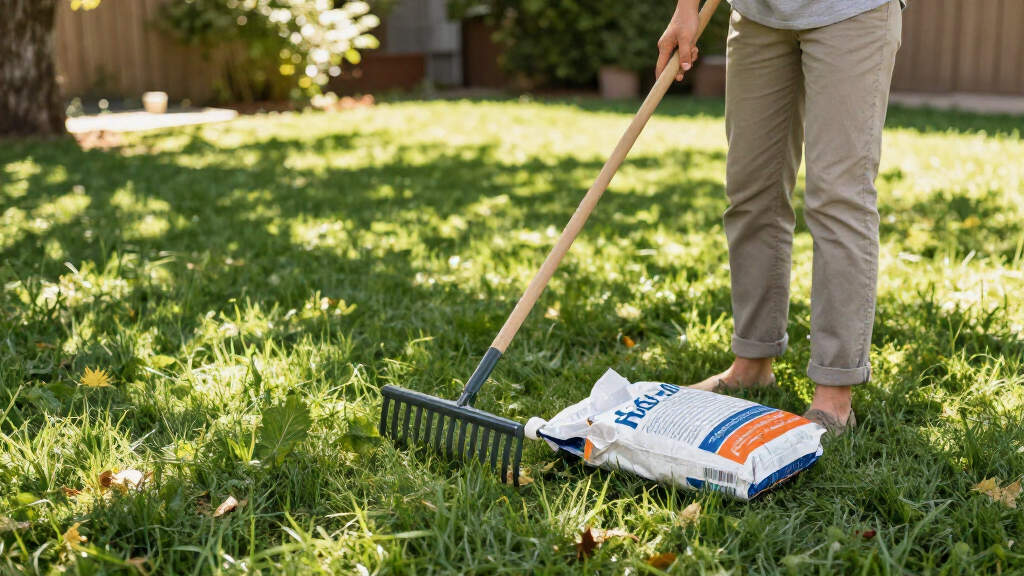
Furthermore, the type of fertilizer used matters. Experts recommend a slow-release, nitrogen-rich fertilizer that supports root development and prepares the grass for winter. Applying fertilizer during the wrong period or with the wrong formulation can result in runoff, environmental harm, and reduced lawn vitality come spring. The misconception that more fertilizer or late application is better persists, but research and professional advice suggest otherwise.
Why Correct Timing of Fall Fertilization Matters
This correction in understanding is crucial because improper fertilization timing can weaken lawns, making them more susceptible to winter damage, pests, and diseases. Correct timing ensures healthier grass, reduces the need for additional treatments, and supports sustainable lawn care practices. For homeowners and professional landscapers alike, adopting the right fertilization schedule can lead to more resilient, lush lawns and environmental benefits through reduced runoff and chemical use.slow release nitrogen lawn fertilizer
As an affiliate, we earn on qualifying purchases.
As an affiliate, we earn on qualifying purchases.
Fall Lawn Fertilization: Common Misconceptions and Practices
Traditionally, many believe that applying fertilizer in late fall or even winter prepares grass for spring. However, recent studies and expert opinions indicate that the optimal window is earlier in the season, typically in early to mid-fall, when temperatures are still mild. This shift reflects a better understanding of grass growth cycles and nutrient uptake. The trend toward late-season fertilization has persisted partly due to marketing and anecdotal advice, despite evidence suggesting it is less effective or potentially harmful. The current surge in online interest appears to be driven by homeowners seeking to improve lawn health after a challenging growing season, but many are still following outdated practices.Unconfirmed Claims About Late-Season Fertilizer Benefits
It is not yet clear whether the recent surge in online discussions is based on widespread misconceptions or if some homeowners are experimenting with late fertilization. There is also limited data on the specific impacts of applying fertilizer after the recommended window, and ongoing studies are needed to quantify the effects on different grass types and climates.Next Steps for Lawn Care Practitioners and Homeowners
Experts recommend adjusting fertilization schedules to early- to mid-fall and choosing appropriate fertilizers. Lawn care professionals suggest spreading awareness through gardening advice platforms and local extension services. Further research may refine the optimal timing and formulations, but current best practices emphasize earlier application. Homeowners should consult local experts to tailor their lawn care routines to regional climate conditions and grass varieties.Key Questions
Why is applying fertilizer late in fall harmful to my lawn?
Late fertilization can lead to poor nutrient absorption, increased runoff, and greater vulnerability to winter damage. It may also disrupt the natural dormancy cycle of grass, weakening its resilience.
When is the best time to fertilize my lawn in fall?
The optimal window is typically in early to mid-fall, when temperatures are still mild and grass is actively growing, but before the first frost.
What type of fertilizer should I use in fall?
Use a slow-release, nitrogen-rich fertilizer designed for fall application to support root growth and winter preparation.
Can I fertilize my lawn in winter?
Generally, winter fertilization is not recommended in most regions because grass enters dormancy. Consult local experts for region-specific advice.
What are the environmental impacts of improper fall fertilization?
Applying fertilizer at the wrong time or with incorrect formulations can cause nutrient runoff, polluting waterways and harming ecosystems.
Source: rss
Fall yard work Picks
leaf blowers
As an affiliate, we earn on qualifying purchases.