
TL;DR

Get garden gear delivered free — and shop member deals
- Fast, free delivery on millions of items
- Access to Prime Big Deal Days deals on October 6–7
- Prime Video, Amazon Music and more included
Garden experts recommend six specific actions to prepare snake plants for the upcoming cold season in September. These steps are crucial for maintaining plant health and preventing damage during winter.
Garden experts advise that September is a critical month for caring for snake plants, emphasizing six confirmed actions to prepare these resilient houseplants and outdoor varieties for the approaching cold weather. Proper preparation now can prevent winter damage and promote healthy growth in the next season, making these plant care steps essential for plant owners.
According to horticultural sources, the six key tasks to focus on in September include adjusting watering routines, providing adequate sunlight, inspecting for pests, pruning dead or damaged leaves, fertilizing appropriately, and protecting outdoor plants from early cold snaps. These practices are confirmed by gardening professionals and are recommended to ensure snake plants remain healthy through winter, especially if you are considering outdoor planting.
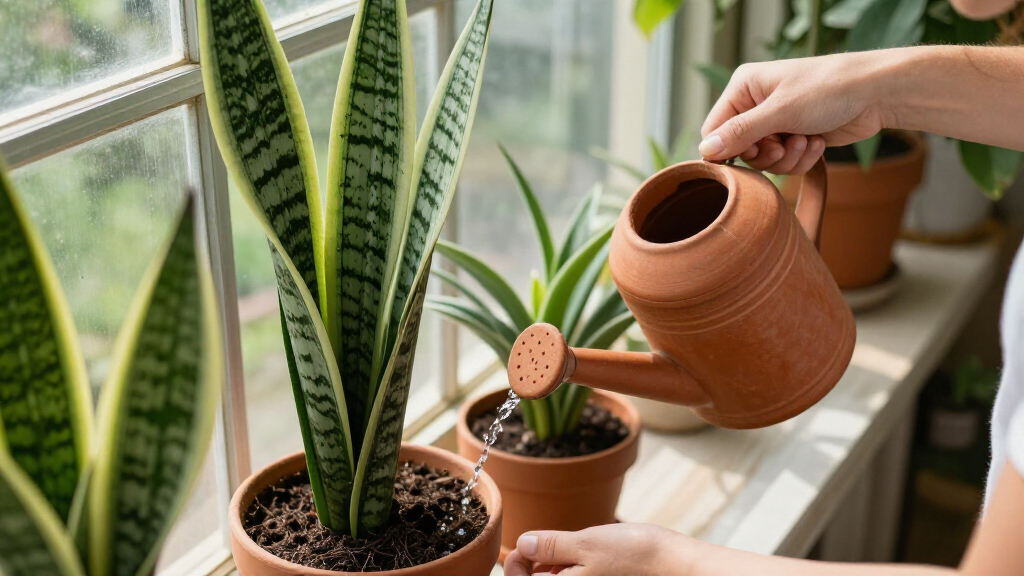
Watering should be moderated as temperatures drop, with the goal of preventing overwatering while maintaining enough moisture for root health. For additional tips, see lawn care tasks. Sunlight exposure remains vital; snake plants thrive with indirect bright light, so relocating them indoors if they are outside is advised. Regular inspection for pests such as mealybugs or spider mites is crucial, as these can weaken the plant before dormancy. Pruning dead foliage helps prevent disease and encourages new growth. Fertilizing should be reduced or halted as growth slows, but a light feeding with a balanced houseplant fertilizer can support root health. For outdoor plants, covering or relocating them to sheltered spots helps mitigate early cold damage, especially in regions where temperatures may dip below freezing.
Why September Care Is Critical for Snake Plants
Proper care in September is vital because it sets the stage for the plant’s winter resilience. Neglecting these steps can lead to pest infestations, root rot, or cold damage, which may compromise the plant’s health for the coming year. For indoor gardeners, these practices help maintain plant vigor during the darker, cooler months.
As snake plants are popular for their low-maintenance nature, understanding how to prepare them for seasonal changes ensures they remain a healthy, attractive part of indoor or outdoor decor. This proactive approach can also reduce the need for extensive treatment or replacement later, saving time and resources.
snake plant indoor watering system
As an affiliate, we earn on qualifying purchases.
As an affiliate, we earn on qualifying purchases.
September Gardening Trends and Seasonal Transitions
Interest in snake plant care has surged recently, driven by increased popularity of houseplants and outdoor gardening. While snake plants are known for their hardiness, experts note that seasonal transition practices are often overlooked by casual gardeners. The current focus on September care reflects a broader trend of optimizing plant health before winter, although specific recommendations are based on long-standing horticultural principles rather than new research. The trigger for this renewed attention appears to be a spike in search interest and coverage, though the exact cause remains unconfirmed.
Unconfirmed Factors in Seasonal Snake Plant Care
While the six recommended steps are well-supported, it is not yet clear how regional climate variations may alter these practices. Some gardeners question whether specific fertilization or pest control methods are optimal in different zones, and ongoing research is needed to refine these guidelines further. Additionally, the impact of unusual weather patterns this year remains uncertain, which could influence plant needs.
Next Steps for Snake Plant Care and Monitoring
Gardeners should implement these six practices throughout September and monitor their snake plants for signs of stress or pests. As temperatures continue to drop, additional protective measures such as mulching outdoor plants or bringing indoor plants into warmer environments may be necessary. Experts recommend reassessing plant health in late September and early October to adjust care routines accordingly. Further updates may include region-specific advice as weather patterns develop.
Key Questions
Can I fertilize my snake plant in September?
Fertilizing should be reduced or stopped in September, but a light application of balanced houseplant fertilizer can support root health if growth is still active.
How do I protect outdoor snake plants from early frost?
Cover outdoor snake plants with frost cloths or move them to sheltered areas to prevent cold damage as temperatures approach freezing.
Is it too late to prune my snake plant in September?
No, pruning dead or damaged leaves in September helps prevent disease and promotes healthy growth before winter.
Should I water my snake plant less in September?
Yes, watering should be moderated to avoid overwatering as the plant’s growth slows with cooler temperatures.
When should I start bringing outdoor snake plants inside?
Begin bringing outdoor plants indoors when nighttime temperatures consistently fall below 55°F (13°C) to prevent cold stress.
Source: rss
Fall Picks
fall essentials
As an affiliate, we earn on qualifying purchases.