To choose sustainable greenhouse materials without falling for greenwashing, verify eco-labels from reputable organizations and look for transparent sourcing and real environmental benefits. Focus on materials that are recycled or renewable, durable, and require minimal maintenance, while balancing cost and performance. Ask suppliers about their sourcing practices and certifications to guarantee authenticity. Staying informed about credible standards helps you make eco-friendly choices. If you want to learn more, there’s important guidance ahead.

Get garden gear delivered free with Prime
- Fast, free delivery on millions of items
- Prime Video, Amazon Music and more included
- Member-only deals all year
Key Takeaways
- Verify certifications from trusted organizations like FSC, LEED, or Green Seal to ensure genuine sustainability claims.
- Examine product documentation and sourcing details for transparency and traceability.
- Prioritize recycled, renewable, and durable materials that reduce resource use and long-term maintenance.
- Be cautious of vague eco-friendly claims; compare labels and avoid exaggerated or unverified statements.
- Engage with suppliers to confirm their sustainability practices and request supporting certifications or reports.
eco-friendly greenhouse materials
As an affiliate, we earn on qualifying purchases.
As an affiliate, we earn on qualifying purchases.
Why Choosing Sustainable Greenhouse Materials Matters
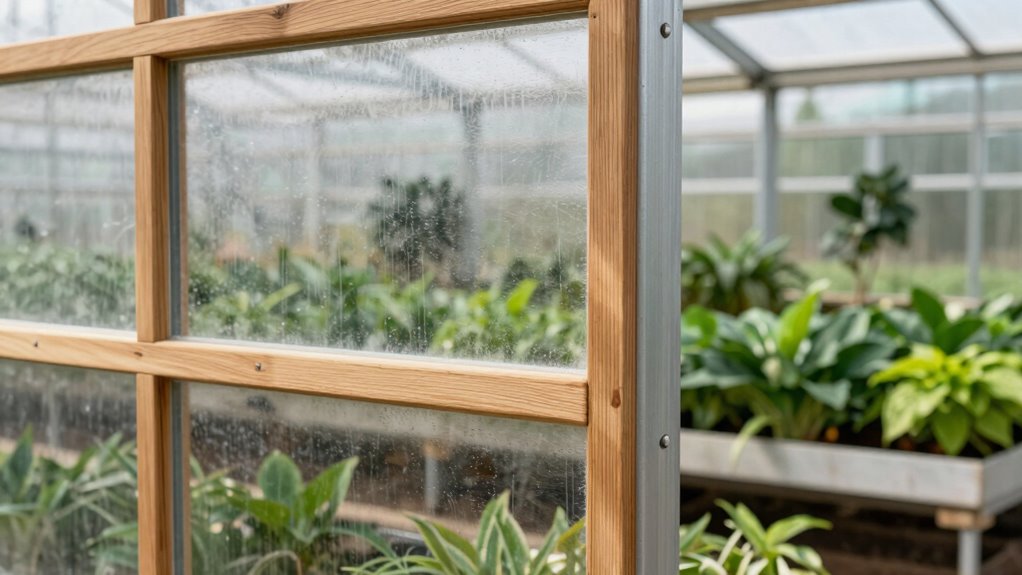
Choosing sustainable greenhouse materials is essential because it directly impacts the environment and the longevity of your greenhouse. When you select eco-friendly materials, you support healthier plant growth by reducing pollutants and harmful chemicals that can hinder development. Sustainable options often improve climate impact by lowering energy use, such as better insulation or light transmission, which helps regulate temperature naturally. This not only creates a more stable environment for your plants but also reduces your carbon footprint. Using renewable or recycled materials ensures your greenhouse remains durable over time, saving you money and resources. Incorporating eco-friendly materials can also enhance the aesthetic appeal and overall value of your greenhouse. Additionally, understanding the contrast ratio of your materials can help optimize light reflection and absorption, further promoting plant health. Considering natural filtration systems can contribute to a healthier environment by reducing chemical reliance and supporting biodiversity. Evaluating the life cycle assessment of your materials ensures they are environmentally responsible from production to disposal. Incorporating sustainable practices can lead to long-term cost savings and a smaller ecological footprint. Ultimately, choosing sustainable materials aligns your greenhouse practices with environmental responsibility while fostering ideal plant growth in a balanced, eco-conscious way.
How to Spot Greenwashing in Greenhouse Product Claims

As more greenhouse products claim to be eco-friendly, it’s important to recognize that not all claims are genuine. Green product marketing can be misleading, so you should scrutinize eco label accuracy. Look for certifications from reputable organizations rather than vague claims. Greenwashing often involves overstating environmental benefits or hiding negative impacts.
| True Green Claims | Greenwashing Tactics |
|---|---|
| Verified eco-labels | Vague or unverified labels |
| Transparent sourcing | Hidden environmental impact |
| Real environmental benefits | Exaggerated eco-friendly claims |
Use this table as a quick guide to differentiate genuine sustainability claims from greenwashing, ensuring you select truly eco-friendly greenhouse materials.
What Factors Make Greenhouse Materials Environmentally Friendly
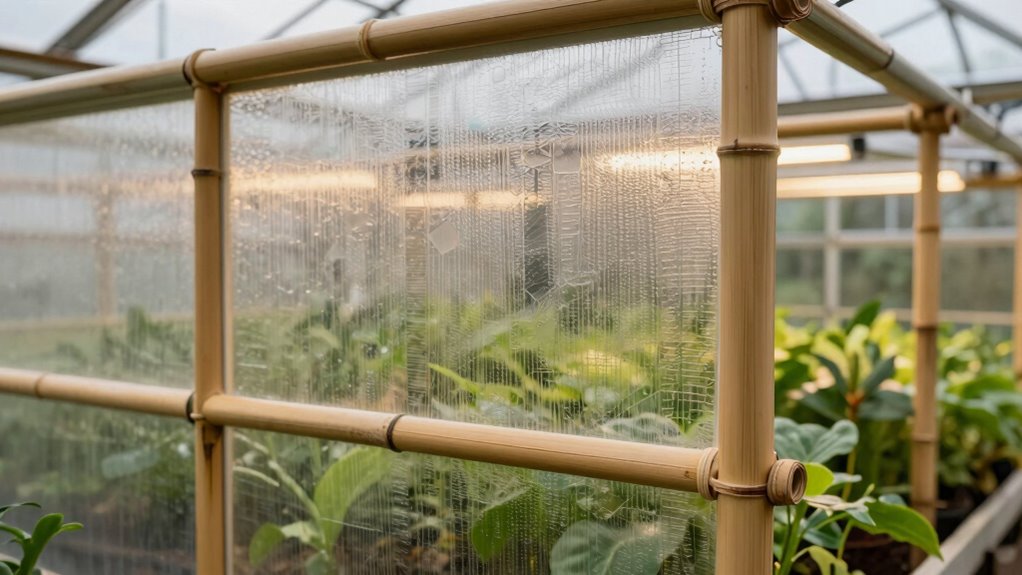
When evaluating greenhouse materials for environmental friendliness, several key factors come into play. First, look for innovative innovations that reduce resource use, such as materials with improved insulation or durability, which lower energy consumption. Second, consider how the material manufacturing process impacts the environment; eco-friendly options typically involve less energy, produce fewer emissions, and avoid toxic chemicals. Recycled or renewable materials are also vital, as they lessen landfill waste and conserve natural resources. Additionally, assess durability and lifespan—long-lasting materials reduce the need for frequent replacements. Incorporating sustainable manufacturing practices can further enhance the eco-friendliness of your greenhouse materials. Understanding the environmental impact assessments can provide deeper insights into a material’s overall eco-friendliness and lifecycle. Recognizing the importance of biodegradability can also ensure that materials will not contribute to long-term waste issues once they reach the end of their lifespan. Moreover, selecting materials with certifications or labels can help verify their environmental claims and ensure alignment with recognized sustainability standards. By focusing on these factors, you guarantee your greenhouse choices genuinely support environmental health without greenwashing. Incorporating trusted resources and directories can also help you find reputable suppliers committed to sustainability.
Best Eco-Friendly Greenhouse Materials and Their Pros and Cons
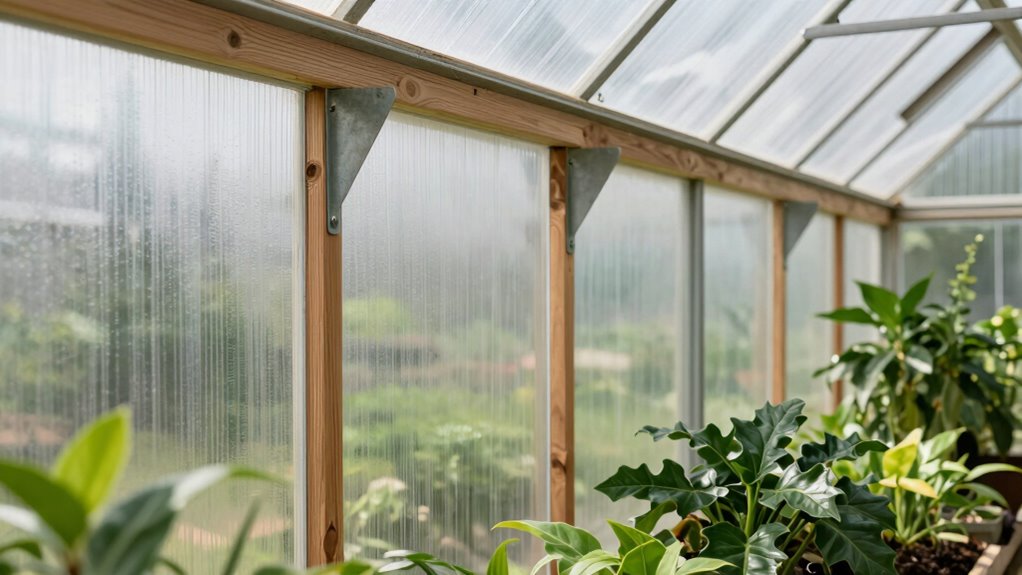
Selecting the right eco-friendly materials for your greenhouse can substantially impact its environmental footprint. Recycled framing options, like reclaimed wood or recycled metal, reduce waste and decrease demand for new resources. They offer durability and a lower environmental impact, but may require extra treatment to prevent decay or corrosion. Eco-friendly insulation, such as sheep’s wool, cellulose, or plant-based foam, provides excellent thermal performance while being biodegradable or recyclable. These materials help maintain consistent temperatures and reduce energy use. Additionally, choosing sustainable building practices can further enhance the eco-friendliness of your greenhouse project. Incorporating Indonesian decor masks made from traditional techniques can add cultural beauty without harming the environment, as many are crafted from natural and sustainable materials. Emphasizing environmentally conscious choices in construction can also contribute to the overall sustainability of your greenhouse. Furthermore, selecting materials with low embodied energy ensures that the environmental impact of manufacturing and transportation is minimized, promoting a truly sustainable build. Considering the life cycle assessment of materials can help you make more informed, eco-friendly decisions throughout your project.
How to Verify Certifications and Labels for Genuine Sustainability

To guarantee your greenhouse materials are truly sustainable, you need to recognize trusted certification marks and understand what the labels mean. Always verify the authenticity of certification sources to avoid counterfeit claims. Additionally, understanding solar system safety principles can help you make more informed decisions about materials and overall sustainability practices. For example, selecting materials with recognized eco-labels ensures adherence to environmentally friendly standards. Exploring text capitalization styles, which can assist in creating clear and professional documentation of certification details, is also beneficial. Being aware of media literacy can also help you critically evaluate the claims made on product labels and marketing materials. Developing critical thinking skills can further enhance your ability to discern genuine sustainability efforts from greenwashing.
Recognize Trusted Certification Marks
Verifying certification marks is essential to guarantee that the green materials you choose truly meet sustainability standards. Trusted certification marks help verify eco label accuracy and certify the legitimacy of claims. To do this, check for well-known symbols from reputable organizations, like FSC, LEED, or Green Seal. Research the certifier’s reputation and confirm their standards online. Avoid labels that seem vague or overly broad, as they might lack credibility. Remember, legitimate certifications are backed by transparent processes and third-party audits. By carefully evaluating these marks, you can confidently select materials that genuinely support sustainability goals. Additionally, understanding indoor air quality and other related wellness concepts can reinforce your commitment to sustainable and mindful choices.
Understand Labeling Standards
Once you’ve identified credible certification marks, it’s important to understand what those labels truly signify. Labels often reflect commitments to responsible material sourcing and sustainable manufacturing processes. However, some labels can be misleading or lack transparency. To verify their authenticity, research the standards behind each certification—look for detailed explanations of how materials are sourced and how manufacturing minimizes environmental impact. Genuine labels should specify eco-friendly practices, such as renewable material sourcing or low-impact production methods. Be cautious of vague claims or labels that don’t provide clear criteria. By understanding these standards, you guarantee that the certifications genuinely reflect sustainability efforts, helping you avoid greenwashing and make informed, eco-conscious choices for your greenhouse materials.
Verify Authentic Certification Sources
Ensuring that certification labels are legitimate requires a proactive approach. You should verify the issuing authority and verify it’s recognized by reputable organizations. Look for certifications related to organic farming, which guarantee the use of environmentally friendly practices, and those confirming the use of renewable resources. To avoid greenwashing, consider these tips:
- Check the certifier’s website to confirm their credentials and standards.
- Research the certification’s history and reputation in sustainable practices.
- Cross-reference labels with independent databases or industry watchdogs.
- Consider whether the certification has been tested for filtration efficiency to ensure it meets environmental standards.
This process helps you confirm that the greenhouse materials truly meet sustainability standards, rather than just carrying a misleading label. Authentic certifications ensure you’re investing in eco-friendly, organic farming practices and renewable resources, supporting genuine sustainability efforts.
Why Durability and Maintenance Matter in Material Choice

Durability and ease of maintenance are essential factors when selecting materials for a sustainable greenhouse, as they directly impact the structure’s longevity and your ongoing costs. Choosing materials with a longer material lifespan reduces the need for frequent replacements, saving both money and resources. Additionally, low maintenance requirements guarantee you spend less time and effort on upkeep, allowing you to focus on your greenhouse’s productivity. Consider this comparison:
| Material Type | Material Lifespan | Maintenance Requirements |
|---|---|---|
| Polycarbonate | 10-15 years | Easy to clean, low fuss |
| Glass | 20+ years | Regular cleaning needed |
| Polyethylene | 5-10 years | Minimal upkeep |
Ensuring that your materials are resistant to environmental damage can further prolong their usability, reducing the need for frequent repairs. Prioritize durable, low-maintenance options to create a resilient, eco-friendly greenhouse. Incorporating sustainable material choices can further enhance the environmental benefits of your greenhouse.
Tips for Balancing Cost, Performance, and Eco-Friendliness

Balancing cost, performance, and eco-friendliness can seem challenging when selecting greenhouse materials, but understanding how these factors interact helps you make smarter choices. Start with material sourcing—look for locally sourced options to reduce transportation emissions and support sustainable practices. Conduct a thorough cost analysis that considers both upfront expenses and long-term savings from durability and energy efficiency. Prioritize materials that offer a good balance of performance and eco-friendliness without breaking the bank. Consider these tips:
- Compare different materials’ lifespan and maintenance costs
- Evaluate environmental certifications and eco-labels
- Think about potential rebates or incentives for sustainable choices
Questions to Ask Suppliers About Sustainable Greenhouse Materials
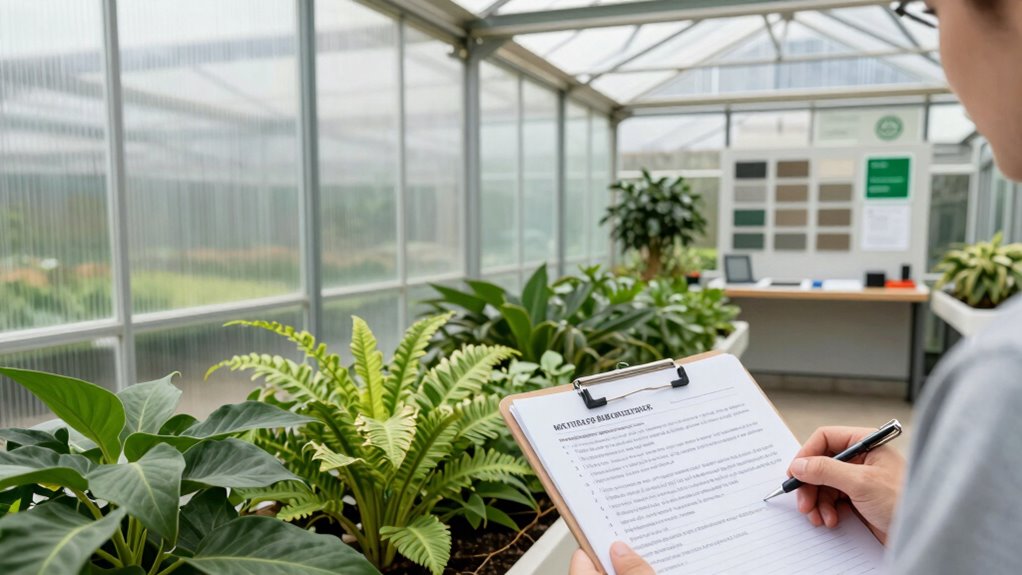
When talking to suppliers about sustainable greenhouse materials, it’s important to ask targeted questions that reveal their commitment to eco-friendly practices. Focus on their material sourcing—ask where and how they obtain raw materials, and whether they prioritize recycled or renewable sources. Inquire about their supplier transparency: do they openly share information about their supply chain, certifications, and environmental policies? Understanding their transparency level helps you assess if they genuinely prioritize sustainability or just greenwashing. Don’t hesitate to request documentation or certifications that verify eco-friendly claims. Asking these questions ensures you partner with suppliers committed to sustainable material sourcing and openness, ultimately helping you make an informed, responsible choice for your greenhouse project.
Frequently Asked Questions
How Can I Compare the True Environmental Impact of Different Greenhouse Materials?
You can compare the true environmental impact of greenhouse materials by examining eco labeling standards and conducting a material lifecycle analysis. Eco labels help identify products meeting sustainability criteria, while lifecycle analysis evaluates environmental effects from production to disposal. By reviewing these tools, you’ll gain clearer insights into each material’s durability, resource use, and overall eco-friendliness, ensuring you select genuinely sustainable options without falling for greenwashing.
Are There Regional Differences in Sustainable Greenhouse Material Availability?
Yes, regional resource availability and local climate adaptation influence sustainable greenhouse material choices. In some areas, you might find abundant locally-sourced materials like timber or recycled metals, while others may rely on climate-specific options like reflective insulation or drought-resistant materials. By understanding your region’s resources and climate needs, you can select sustainable materials that are both accessible and effective, reducing transportation emissions and supporting local economies.
What Are Emerging Innovations in Eco-Friendly Greenhouse Construction?
Imagine you’re stepping into the future of farming. Emerging innovations like innovative bioplastics and solar integrated glazing are transforming greenhouses. These eco-friendly materials harness renewable energy and reduce plastic waste, making construction more sustainable. You’ll find that solar integrated glazing maximizes sunlight, lowering energy costs, while bioplastics offer biodegradable options. Embracing these advancements helps you build greener, more efficient greenhouses, leading to a healthier planet and more resilient agricultural practices.
How Do Seasonal Changes Affect the Sustainability of Greenhouse Materials?
Seasonal changes greatly impact the sustainability of greenhouse materials by testing their seasonal durability and material longevity. You need to select materials that withstand temperature fluctuations, moisture, and UV exposure throughout the year. For example, choosing high-quality plastics or treated glass ensures your greenhouse remains durable in winter’s cold and summer’s heat. Proper maintenance and selecting weather-resistant materials help extend their lifespan, guaranteeing your investment remains sustainable over multiple seasons.
Can Recycled Materials Meet the Structural Requirements of Greenhouses?
Recycled plastics can indeed meet the structural requirements of greenhouses when properly processed and engineered. They’re durable, lightweight, and resistant to corrosion, making them ideal for framing or panels. Plus, you can incorporate eco-friendly insulation materials to improve thermal efficiency. Using recycled plastics and sustainable insulation helps you build a sturdy, environmentally conscious greenhouse without sacrificing strength or longevity, supporting your goal of sustainable gardening.
Conclusion
Choosing truly sustainable greenhouse materials is essential to reduce environmental impact—did you know that greenhouses can account for up to 10% of energy use in horticulture? By spotting greenwashing, verifying certifications, and balancing cost with eco-friendliness, you can make smarter choices. Prioritize durability and ask your suppliers the right questions. Doing so not only supports sustainable practices but also guarantees your greenhouse remains efficient and eco-friendly for years to come.
Fall Picks
fall essentials
As an affiliate, we earn on qualifying purchases.